The rising cost of living is altering the eating habits of Portuguese workers. In the last 12 months, 85% have reduced their visits to restaurants, and for 57% this decrease has been significant. At the same time, 42% allocate more than 30% of their budget to food.
The data comes from the FOOD 2026 Barometer, an annual study by the Edenred Group on the eating habits of workers and the practices of restaurants during the lunch break. Conducted in 21 countries, the survey gathered more than 2.800 responses from restaurant workers and managers in Portugal.
Despite pressure on budgets, concern for balanced nutrition remains: 90% of respondents say they are paying increasingly more attention to what they eat, and 88% consider it important for companies to actively promote healthy and sustainable eating habits.
Price and quality are key factors in the choice.
The quality-price ratio is the most frequently mentioned factor when choosing a restaurant, cited by 85% of workers. This is followed by the price of the meal, mentioned by 81%, and proximity, by 72%. The availability of healthy options influences the decision of 69% of respondents, while 62% value the acceptance of meal vouchers.
Health is the main motivation for making more balanced food choices, cited by 97% of workers. Taste and variety have also gained importance, rising from 68% in 2025 to 84% this year. Concerns about animal welfare and the environment are mentioned by 52%.
More than eight in ten workers (83%) expect restaurants to offer healthier options. Among the most valued features are the inclusion of more vegetables or fresh vegetables as a side dish, mentioned by 93%, clear nutritional information (63%), and whole grain alternatives (54%).
On the restaurant side, 65% of establishments say that customers recognize and value the healthy food offerings. However, 54% consider the preparation of these types of meals to be more expensive, reflecting the pricing and operational challenges faced by the sector.
Meal vouchers help supplement food budgets.
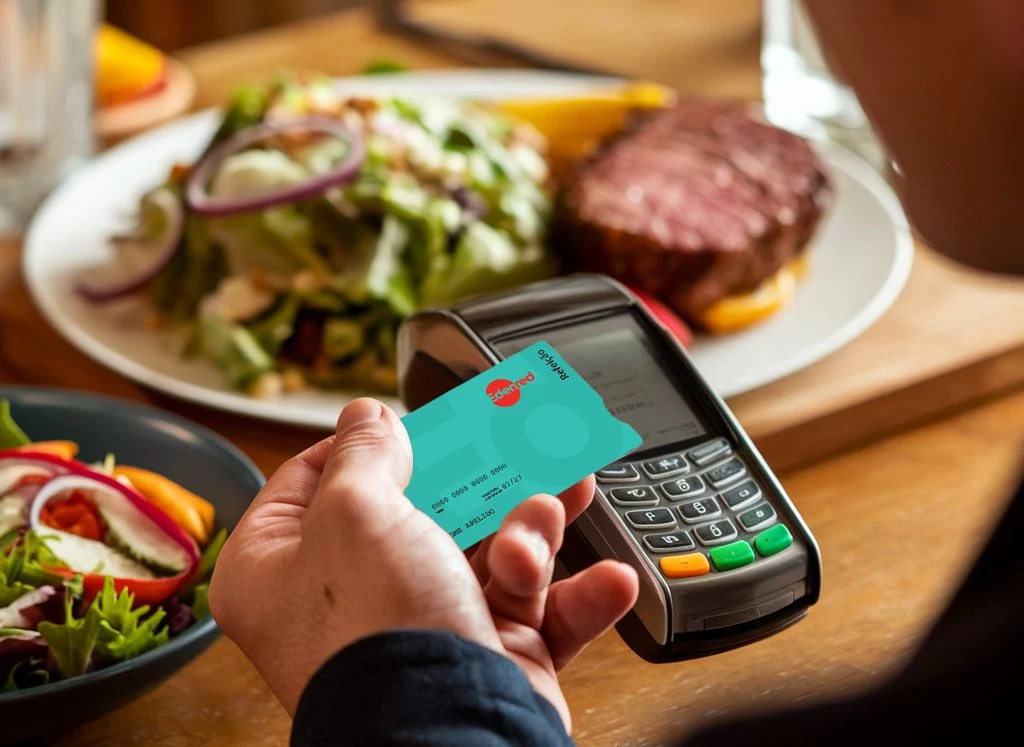
In a context of greater austerity, 72% of workers believe that the meal voucher increases the amount available for food. For 38%, this benefit even allows them to eat better and have more complete and balanced meals.
The potential impact of an increase in the food allowance is also evident: 71% say that if the amount doubled, they would improve the quality of their meals, opting for better quality and tastier products.
The importance of this tool is equally recognized by restaurants: 67% say that accepting meal vouchers has a positive impact on their business. In Portugal, 85% of the establishments surveyed accept this payment method, which is the most widespread digital service in the sector.
Online takeaway orders are available in 39% of restaurants, and 22% are present on delivery platforms. Reservation platforms are used by 15%, while proprietary delivery systems and tableside ordering and payment solutions have a smaller presence, at 7% and 11%, respectively.
The fight against waste gains momentum.
Concern about food waste is widespread: 98% of workers say they are concerned or somewhat concerned about the issue, and 80% would like to know which restaurants are taking measures to combat it.
Among the most valued practices are the provision of containers for taking leftovers home, mentioned by 73% of respondents, the offering of portions of different sizes (45%) and the reuse of food or ingredients (40%).
Restaurants are also paying more attention to the issue. By 2026, 98% claim to have implemented measures to limit waste, compared to 89% the previous year. The most common initiatives are providing containers for taking leftovers home, adopted by 61%, and reusing ingredients in recipes, mentioned by 59%.
For Filipa Martins, CEO of Edenred Portugal, the results highlight the importance of supporting food purchasing power and boosting the restaurant industry, at a time when workers are managing their budgets more carefully.
The official also emphasizes that making balanced options more accessible and available is a challenge shared by workers, companies, restaurants, and health entities, considering the impact of food on health and well-being during the workday.
Advertise with us!