New fake Amazon websites increased by 232% in October compared to September, according to data from NordVPN's Threat Protection Pro. Across all shopping websites analyzed, fake stores increased by 250%. eBay saw the sharpest increase, with fakes soaring by 525%.
“ Shopping events like Black Friday are a goldmine for cybercriminals. Scammers exploit the excitement surrounding unmissable deals and flash sales, knowing that hurried shoppers are more likely to click on malicious links or share personal data without thinking twice. Even in the heat of the bargain hunt, people need to maintain good cyber hygiene ,” argues Marijus Briedis, Chief Technology Officer (CTO) of NordVPN.
68% do not recognize phishing.
According to NordVPN's National Privacy Test, up to 68% of consumers worldwide don't know how to identify a phishing website. This vulnerability becomes particularly serious during Christmas shopping, when consumers visit multiple online retailers, often clicking on promotional emails to access offers on unfamiliar websites.
To make matters worse, phishing attacks increased by 36% between August and October, according to Threat Protection Pro. The increase indicates that cybercriminals are intensifying their efforts to target unsuspecting shoppers during the busiest shopping season of the year.
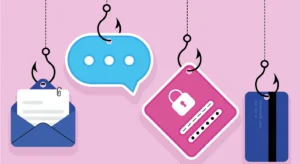
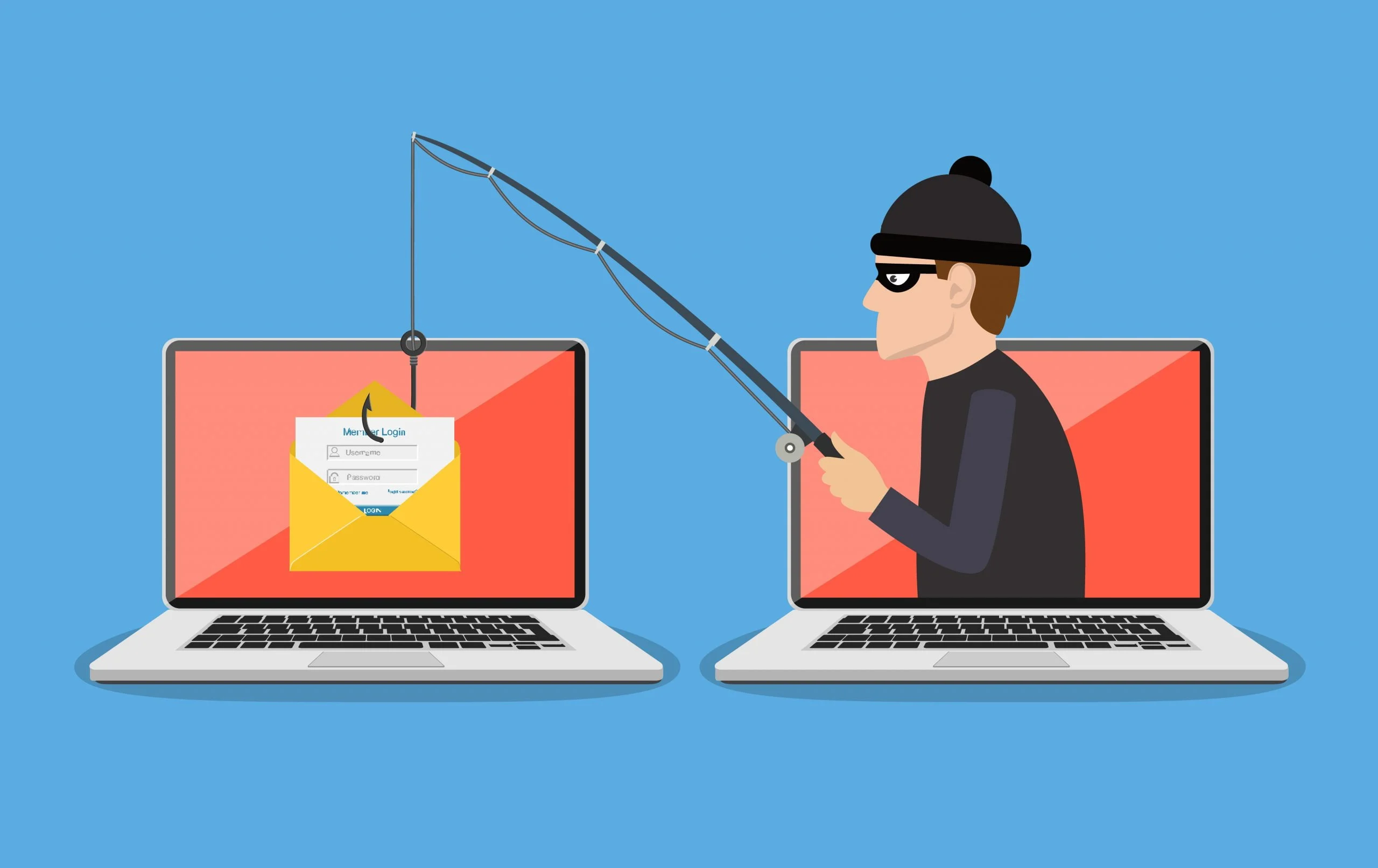
As consumers prepare for Black Friday, Cyber Monday, and Christmas shopping, cybercriminals see a golden opportunity to exploit the increased online activity. They create sophisticated phishing emails, disguised as shipping notifications or exclusive offers, knowing that shoppers are more likely to click on messages related to their purchases during this busy period.
Avoiding fraud on Amazon
Always buy directly from official retailer websites to protect yourself against fraud during your Christmas shopping. Check that the URLs have “https://” with a padlock icon before entering personal data. Be wary of offers that seem too good to be true. Prices significantly below market value are usually warning signs of counterfeit products or blatant fraud.
“ The fundamentals of cybersecurity can sometimes be forgotten during large online shopping events ,” says Briedis. “ Never click on links in unsolicited emails, even if they appear to come from legitimate websites. Instead, navigate directly to the official website. Read customer reviews and filter from worst to best to identify recurring complaints .”
Remember that legitimate merchant communications are professional, not generic messages threatening to close your account. Reputable companies do not request confidential data, such as passwords or social security numbers, via email or phone call. If in doubt, log in directly to your account or contact customer support through official channels to verify suspicious communications.
Follow us on: