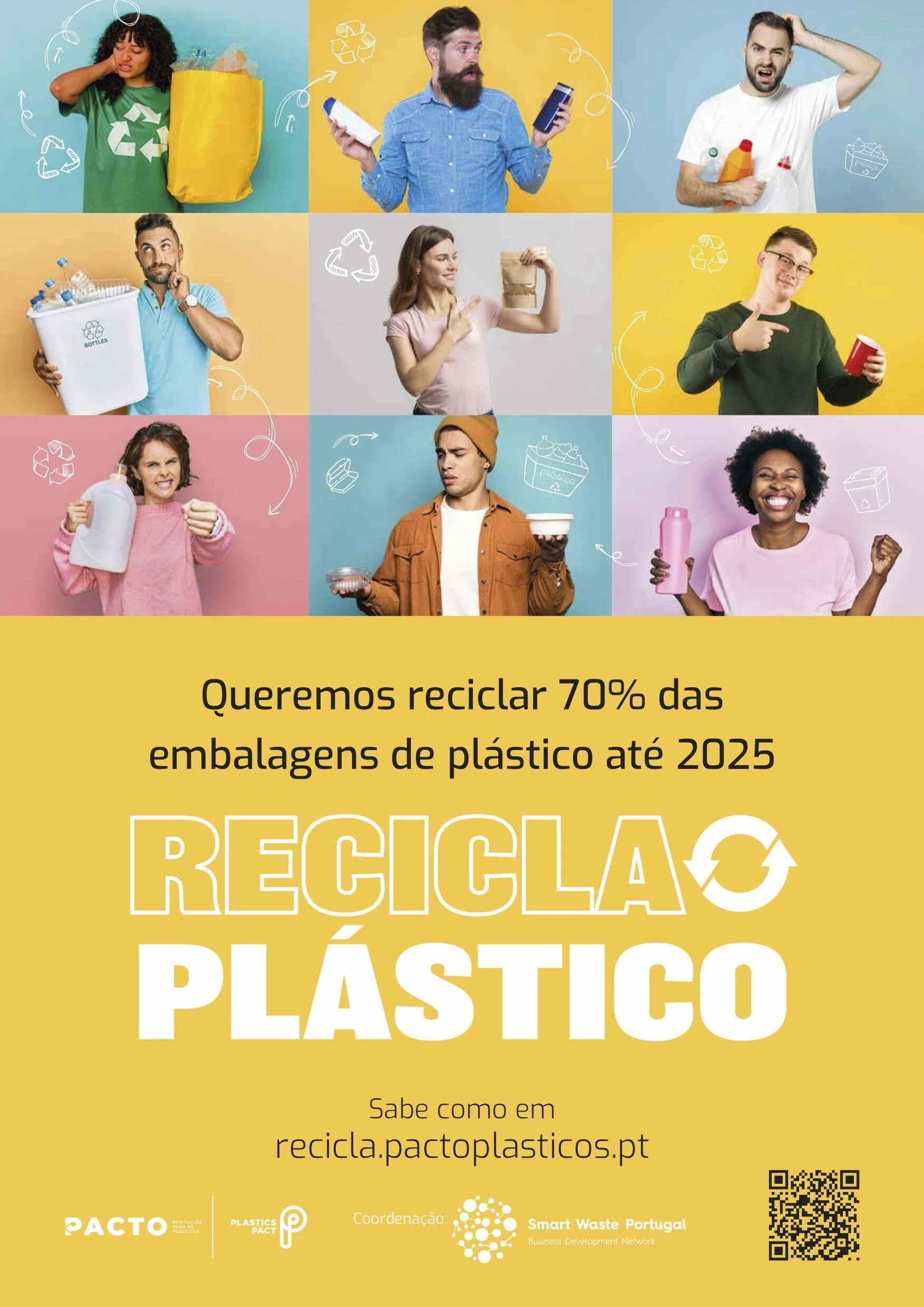
The Portuguese Plastics Pact (PPP) has just launched a new campaign. Entitled "Recycle the Plastic," the initiative aims to encourage the Portuguese to recycle plastic more effectively, explaining the importance of recycling packaging and products made from this material, why investing in a circular economy for plastics is so relevant, and how everyone, as citizens and consumers, can do more and better.
“ Strengthening and improving plastic recycling habits, especially by raising awareness among younger audiences, is the main objective of this campaign ,” says Patrícia Carvalho, the new coordinator of the Portuguese Plastics Pact.
With a special focus on the 18-30 age group, the Recycle Plastic campaign is based on one of the five goals defined by the Portuguese Plastics Pact: to achieve a recycling rate of 70% or higher for plastic packaging by 2025, and on the premise that consumers are important suppliers of raw materials in the circular economy, as Patrícia Carvalho explains: “ By separating plastic for recycling, consumers are 'providing' the raw material for the production of new plastic packaging, which increasingly incorporates a greater content of recycled plastic ,” she states.
Thus, with a strong informative and educational focus, the "Recycle Plastic" campaign aims to raise awareness among the Portuguese population about the importance of recycling this material more efficiently, contributing to achieving the goal set by the more than 100 members of the Pact.
Campaign
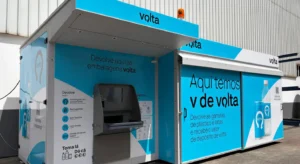
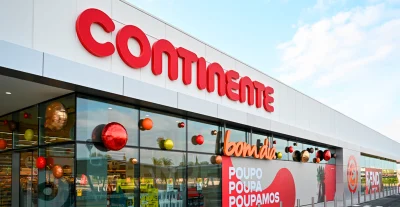
Visible on the streets of some municipalities, on billboards and posters, in various shops, hypermarkets and supermarkets of the members of the Portuguese Plastics Pact, through the presence of posters and the distribution of informative flyers, and with a strong digital component, with communication on the internet and social networks, the Recycle Plastic campaign is thus based on the dissemination and provision of useful information for consumers and on clarifying the most frequent doubts for those who want to recycle plastic packaging and products.
Which packaging should (and shouldn't) go in the yellow recycling bin, where should plastic waste that cannot go in the yellow recycling bin be placed, the location of the recycling bins, or what the separation processes are – these are some of the questions that Portuguese citizens can have clarified.
The campaign also disseminates information about the circular economy of plastics: advantages, how it works, examples of transformation, among others. All information is available on the website recicla.pactoplasticos.pt , which also features a video and a quiz that challenge Portuguese people to test their knowledge about plastic recycling.
Plastics
It should be noted that plastics are versatile and durable materials that can be recycled multiple times, thus reducing the extraction of resources, and therefore their recycling should be seen as a way to enhance the value of resources in the economy.
On the other hand, recycling plastics has several environmental advantages: it saves energy compared to the production of virgin plastic, saves water, limits CO2 emissions, and ensures the elimination of pollution, since plastics remain in the economy, where they are useful for everyday life, and never end up in the environment. Plastic recycling also has socio-economic advantages linked to job creation, wealth generation, and independence from external suppliers of raw materials.
Portuguese Pact for Plastics
The first progress report of the Portuguese Plastics Pact, presented on November 25, 2021, demonstrates that progress is generally positive towards achieving the targets set for 2025, but that the actions of the members need to be accelerated.
Without placing the burden solely on the consumer, Patrícia Carvalho believes, however, that they are a central link in accelerating the achievement of these goals, namely through their daily contribution to separating plastic packaging. “ It is of little use for members of the Portuguese Plastics Pact to commit to a target of incorporating recycled material into new packaging if there is no supply of that material. And that supply depends on the daily actions of each of us, separating waste at the recycling point ,” she states. “ With the support of consumers, it will be possible to achieve this and other goals, and for that, each Portuguese person will have to recycle at least 28 kilograms of plastic waste per year ,” she adds.
Since the beginning of 2020, several companies, associations, universities, and the Government have committed to the vision and objectives of the Portuguese Plastics Pact, an initiative that aims to ensure the transition to a circular economy, where plastic is always a valuable resource within the economy and never a threat to the environment. Today, more than 100 entities share this vision.