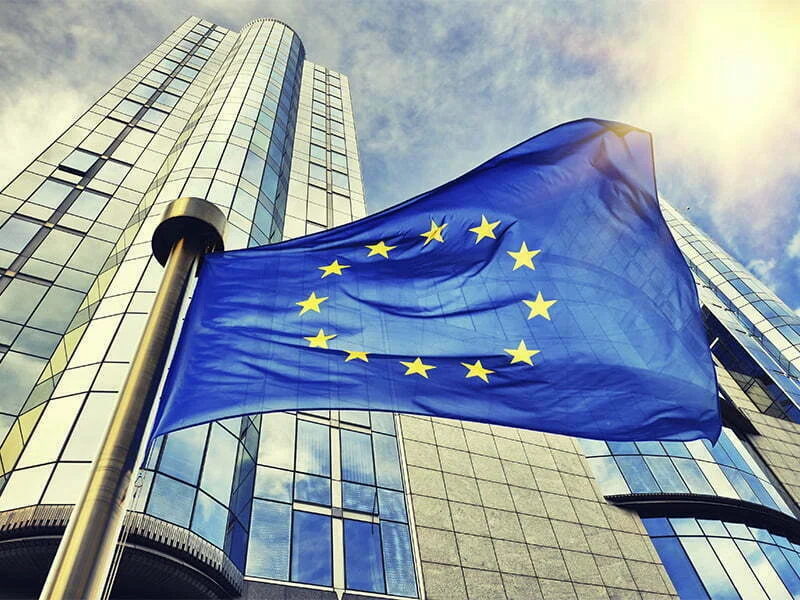
The latest European elections gave Eurosceptic parties a greater proportion of seats in the European Parliament. However, according to analysis by Crédito y Caución, it is unlikely that the parliamentary majority supporting the adoption of free trade agreements will change substantially after the European elections.
The report notes that the European Commission is responsible for preparing and negotiating trade agreements, but Parliament plays a key role in the process: it is consulted during negotiations and must cast a final vote of acceptance or rejection. However, the credit insurer does not foresee the blocking of treaties or major changes to the European Union's foreign trade agenda.
Although Eurosceptics share a common stance against greater European integration, they do not hold a unified position on issues such as immigration, fiscal discipline, or the promotion of international trade. Some are outright opposed to free trade, while others are among its most staunch supporters. This strong division among Eurosceptics suggests that there will be no significant shifts in the balance of power regarding trade-related decisions.