According to Mercer's "Global Talent Trends 2019" study, 65% of companies, across all industries and countries, are using mobility programs to improve their employee management strategies.
To that end, companies need to carefully assess the cost of compensation packages for expatriates. Mercer's 25th annual "Cost of Living" study concludes that a range of factors, including currency fluctuations, the cost of inflation in goods and services, and the volatility of housing prices, contribute to the overall cost of expatriate packages for employees on international assignments. " In a talent-focused economy, driven by digital disruption and with the need for a globally connected workforce, deploying employees to different locations is an increasingly important aspect of companies' competitive strategy ," says Tiago Borges, Rewards Leader at Mercer Portugal. " There are numerous personal and organizational advantages to sending employees abroad, including career development, international experience, acquisition of new skills, and resource relocation. By offering fair and competitive compensation packages, companies can provide international deployments that boost business results ."
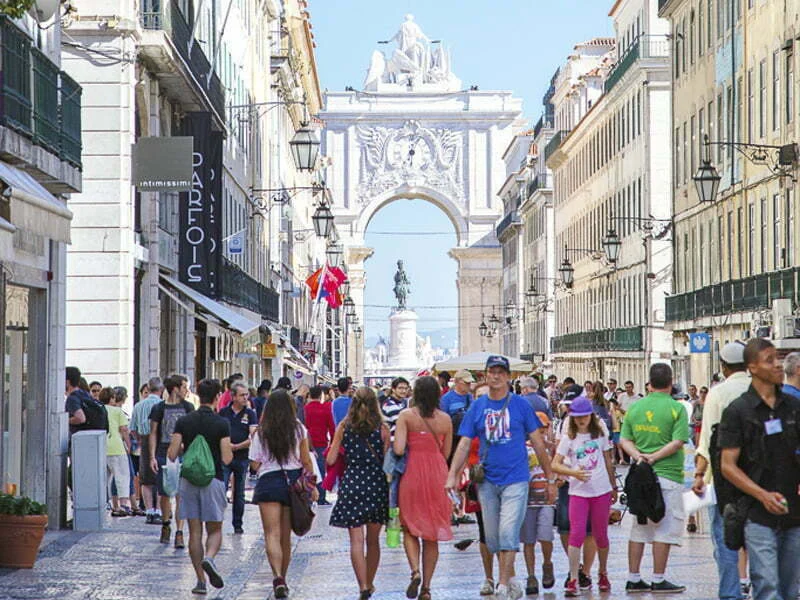
According to Mercer's study, Lisbon dropped two positions in the ranking, going from 93rd place in 2018 to 95th place in 2019. After a significant rise of 44 positions last year, the Portuguese capital is now stable in Mercer's cost of living ranking.
The study also concluded that the price of gasoline in Lisbon is among the highest, considering the other cities in the ranking. On the other hand, and in comparison with the most expensive city in the ranking, the rental price of a three-bedroom apartment in prime areas of Lisbon is around €3.150, while in Hong Kong it is €12.910.
The study concludes that, of the top 10 most expensive cities for expatriates, eight are Asian, a result of the high cost of consumer goods for expatriates and the dynamics of the residential market. Tokyo (2), Singapore (3) and Seoul (4) are at the top of the list, with Hong Kong being the most expensive city in the world for the second consecutive year. Other cities in the top 10 are Zurich (5), Shanghai (6), Ashgabat (7), Beijing (8), New York (9), and Shenzhen (10). The least expensive cities for expatriates are Tunis (209), Tashkent (208) and Karachi (207). “ The cost of living is an important component for economic investment in a given city ,” adds Tiago Borges. “ Decision-makers are increasingly taking into account that globalization is challenging cities to inform, innovate and compete in order to promote the factors that attract people and investment, the keys to a city of the future .”