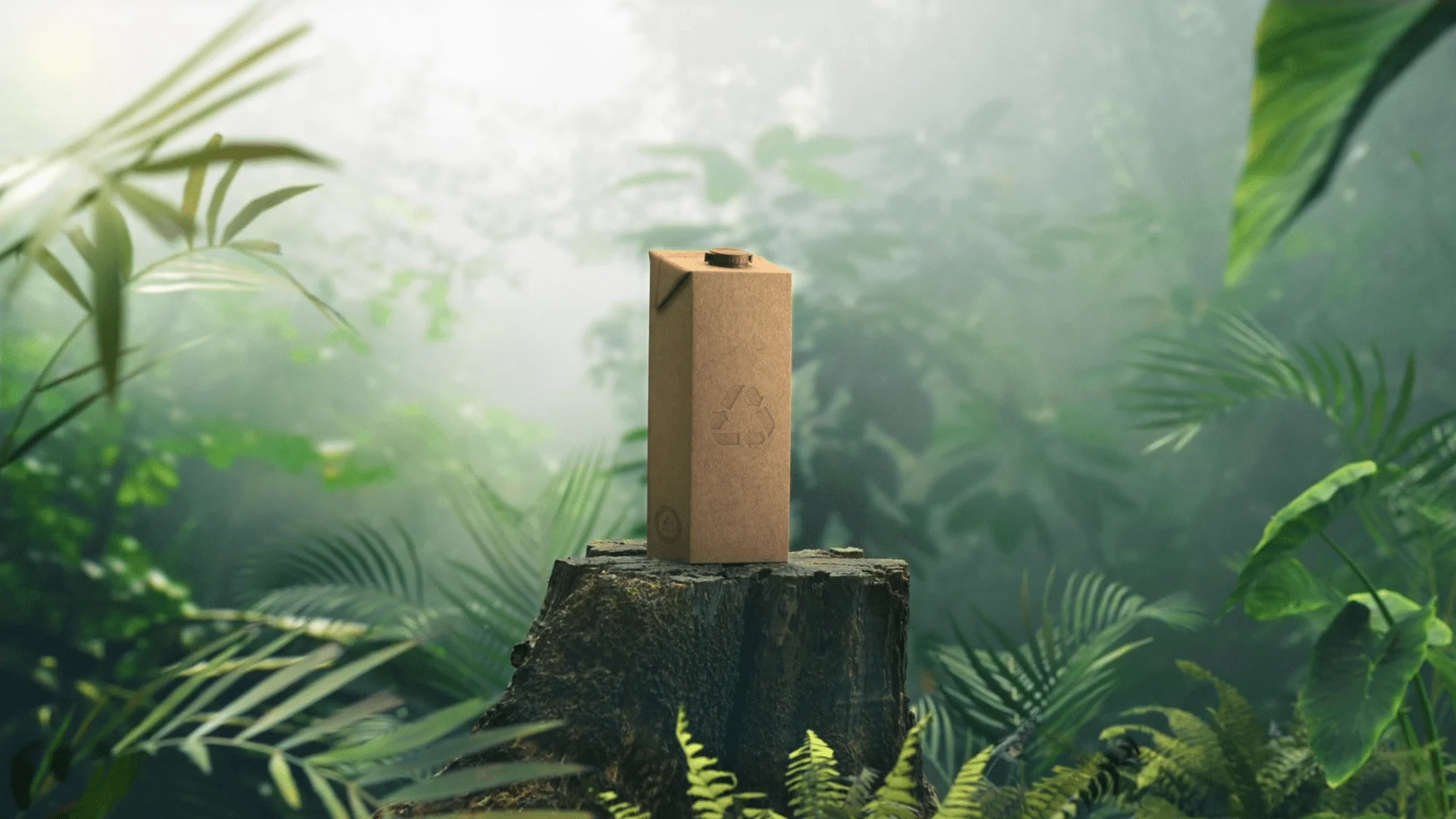
Through the "Choose Nature. Choose Cardboard" campaign, Tetra Pak communicates what packaging of the future will look like: manufactured with plant-based or recycled materials that contribute to a low-carbon circular economy, guarantee food safety, and allow for product traceability.
To protect the planet, the packaging of the future should maximize the use of renewable materials, with a reduced impact on nature. For example, paper and cardboard-based alternatives, focusing on sustainably sourced renewable materials, represent an important step towards achieving a low-carbon circular economy.
Challenges
With this goal in mind, Tetra Pak has faced a number of challenges in recent months, namely replacing materials from finite sources, such as fossil-based plastics or aluminum, with renewable materials from responsible plant-based sources, such as paper or plant-based plastics. This change helps to reduce carbon emissions and protect biodiversity and natural ecosystems.
Currently, all Tetra Pak carton packaging is FSC (Forest Stewardship Council) certified. Furthermore, Tetra Pak was the first packaging company to use plant-based polymers derived from sugarcane, certified by Bonsucro. Both certifications attest that these materials come from consciously managed sources, contribute responsibly to biodiversity protection, and support local communities.
Another Tetra Pak milestone is the snap-on cap for liquid food carton packaging, which reduces waste and carbon footprint. This is possible due to the use of plant-based polymers in its production, thus increasing the renewable content of the packaging. Snap-on caps allow manufacturers to continue advancing simultaneously in three essential areas: food safety, food waste, and packaging sustainability.
Digitization expands the traditional role of packaging and opens up a world of new opportunities. Connectivity, enabled by a unique code on each package, allows producers to transform their products into data carriers and track them from their origin to the consumer.
Investment
Ramiro Ortiz, general manager of Tetra Pak Iberia, states that “ consumers are looking for recyclable packaging that is better for the environment and has a low impact on the ecosystem. With such high demand, now is the time to develop the 'packaging of the future'. Tetra Pak has co-invested more than €11,4 million in innovation to help establish completely new recycling solutions for Tetra Pak packaging. These projects aim to recycle all components of a used carton, transforming them into quality materials and goods .”
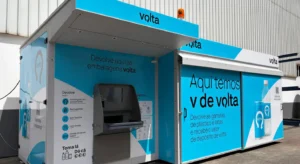
Currently, beverage cartons are recyclable, and the habit of recycling is already present in society. However, in Portugal, there is still a long way to go. With a view to increasing this value and reducing the environmental impact of Tetra Pak packaging in Portugal, the company has been investing in campaigns to encourage recycling in the country, in order to raise awareness among the Portuguese about the importance of placing Tetra Pak packaging in the yellow recycling bin.
Circular economy
To achieve these goals, Tetra Pak's mission is to promote a low-carbon circular economy. To this end, the use of renewable materials, which reduce the carbon footprint of packaging, is crucial.
In this regard, Ramiro Ortiz also points out that “ the packaging industry has a responsibility and commitment to maintaining food safety while protecting the planet. The need for food packaging must be considered, and increasing recycling is a priority to reduce the environmental impact of our packaging. Tetra Pak, as one of the leading food packaging companies, has set itself the objective of playing a decisive role in achieving harmony between the environmental, social, and economic challenges it faces, promoting a low-carbon circular economy. To this end, in addition to promoting the use of renewable materials, which reduce the carbon footprint of our packaging, and using renewable energy in our manufacturing process, we work with the administrations and recycling industry of the countries in which we operate to ensure their recycling capacity, increase and improve selective collection and sorting, and increase recycling rates .”