The speed at which trends reach retail, driven by social media and digital communities, is transforming the beauty market and challenging operators to distinguish viral phenomena from sustainable business opportunities. In an interview with Grande ConsumoVictor Torres, Commercial Director of Beauty and Health at Wells, explains how the company identifies new brands, assesses the potential of international trends, and adapts its offerings to the expectations of an increasingly informed and demanding consumer.
What are the main criteria used by Wells to identify trends and select emerging brands with growth potential?
At Wells, we consider four fundamental criteria. First, we assess the brand's alignment with our strategy and the size of the market we can reach. Then, we actively listen to the customer, analyzing research across our channels, digital behavior, social media trends, and external information. We complement this analysis with continuous prospecting work with strategic suppliers and observation of markets comparable to the Portuguese one. Finally, whenever it makes sense, we test the proposal through pilot projects and, based on the results, move towards a wider implementation in stores and online. wells.pt.
This process allows us to maintain a truly customer-centric approach while simultaneously anticipating trends relevant to the market in which we operate.
How does Wells distinguish a passing trend from a sustainable business opportunity? What factors are decisive in the decision to integrate a new brand into the portfolio?
A trend transforms into a sustainable opportunity when it demonstrates the ability to consistently generate value for the customer, the category, and the business. To achieve this, we assess the supplier's solidity, the existence of a shared strategic vision, and the possibility of building a long-term partnership. We also monitor indicators such as new customer acquisition, sales performance, satisfaction, team engagement, and category evolution.
Investing in a brand is only the first step: success depends on planning together, executing correctly, and continuing to develop the brand.
What role do sales data, market research, and consumer knowledge play in identifying new opportunities?
Data is essential throughout the decision-making process. Sales, market research, and consumer knowledge help us identify signals, formulate hypotheses, and validate opportunities. They also allow us to understand not only whether a trend is relevant, but also the pace of our response: testing, adjusting, accelerating, or, when necessary, even not proceeding. This combination of quantitative information and qualitative customer knowledge makes decisions more rigorous and reduces the risk associated with investing in innovation.
“Social media has significantly shortened the distance between discovery, desire, and purchase. Platforms like TikTok and Instagram are able to create communities, amplify trends, and scale brands at an unprecedented speed.”
How are social media platforms, particularly TikTok and Instagram, transforming the speed at which trends reach retail and influence purchasing decisions?
Social media has significantly shortened the distance between discovery, desire, and purchase. Platforms like TikTok and Instagram are able to create communities, amplify trends, and scale brands at an unprecedented speed, including through new formats such as live commerce.
This effect is especially relevant for Generations Z and Alpha, for whom social networks are a central source of discovery and even validation. For Wells, they are also an important social listening tool: they allow us to understand what sparks interest, anticipate needs, and respond more quickly, bringing the point of inspiration closer to the moment of purchase.
What differences do you identify in the consumption habits, expectations, and selection criteria of Generations Z and Alpha compared to previous generations, with regard to beauty?
Generations Z and Alpha have a more digital, participatory, and experience-oriented relationship with beauty and wellness. They value authentic, approachable, transparent brands capable of creating a community, rather than communication focused exclusively on the product.
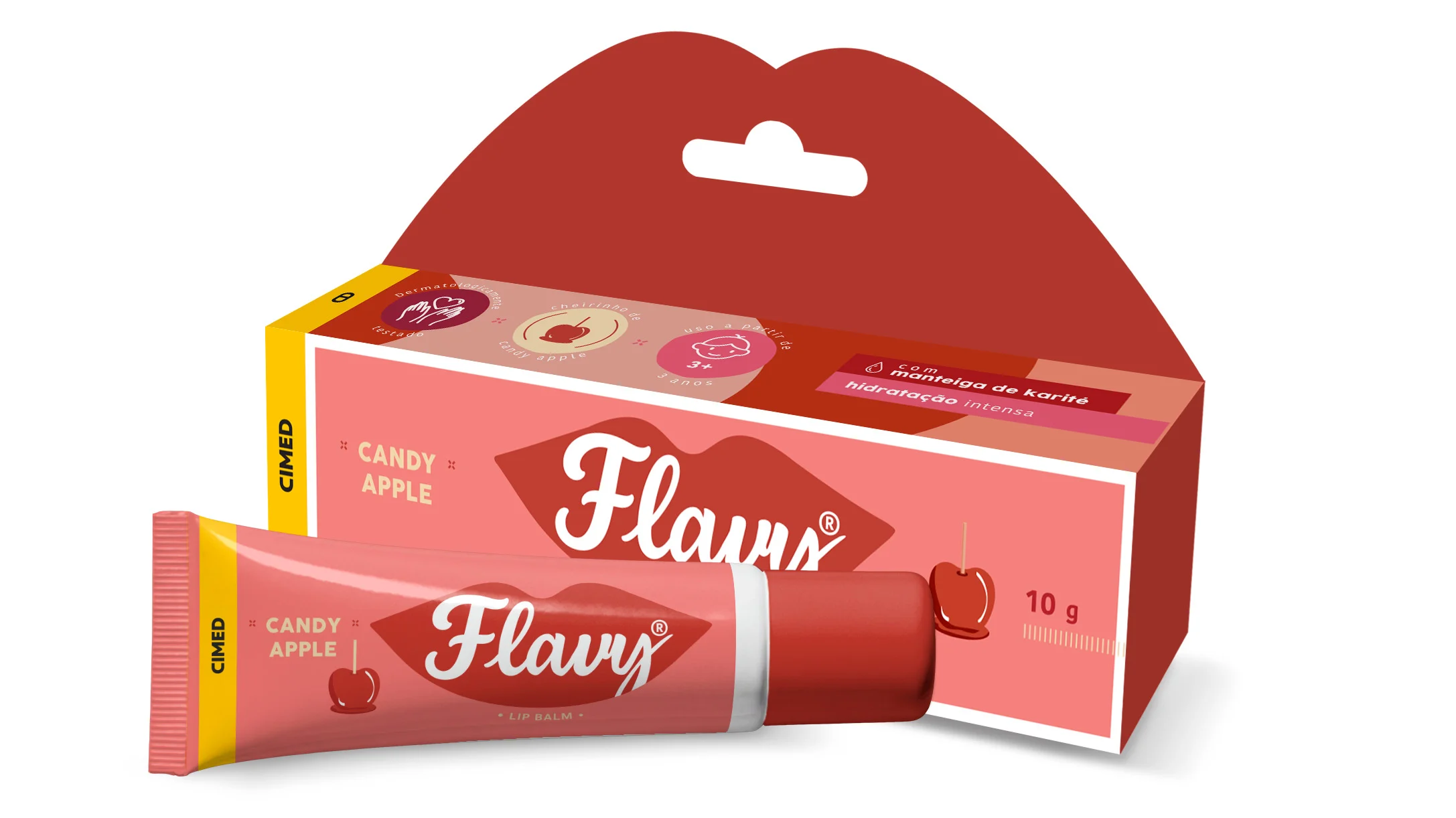
Digital presence, product recommendations from digital influencers, and identification with the brand's values and universe heavily influence the choice. The recent case of Flavy, present in Brazil under the umbrella brand "Carmed" and a true cultural phenomenon, now available in Portugal and Europe exclusively at Wells, perfectly illustrates this reality: it was born with a social-driven logic and developed a community of "besties," an expression used by the brand itself on its platforms, which reinforces the feeling of belonging and transforms consumers into active participants in the brand's daily life.
To what extent is product discovery through influencers, digital communities, and viral content altering these generations' relationship with beauty brands?
Discovery through digital influencers, communities, and viral content has made the relationship with brands closer, more interactive, and more demanding. For consumers, a brand no longer communicates solely through campaigns: it is built daily through the relationship between its founders, creators, customers, and community. Flavy is a good example because its digital identity permeates the entire brand, from the founders' communication to the community of "besties."
Digital influencers, communities, and viral content are therefore crucial in the consumption and choice of beauty brands and products. Since beauty is a strategic area for Wells, where we are top of mind for consumers, we seek to actively participate in this universe. We do this both by bringing these brands exclusively to our stores and to the wells.pt website, and through our own social media networks, where we work with influencers and create content that brings consumers closer to the brands and products.
How do these changes translate into Wells' business decisions, specifically in product selection, pricing, and the shopping experience?
These changes demand more dynamic portfolio management and greater responsiveness. At Wells, we continuously seek to renew our offering, introducing innovation judiciously and ensuring balanced coverage of different customer needs. Price remains equally central: we want to provide relevant and distinctive proposals, but also accessible and competitive ones.
In the shopping experience, we combine the inspiration and convenience of digital on our website at wells.pt with the proximity, expert advice, and in-store experimentation, creating a coherent journey across channels. Above all, we want to democratize access to wellness and trusted products and brands for everyone.
When a brand or trend gains significant popularity in another market, what factors does Wells consider before deciding to bring it to Portugal?
Before bringing an international brand to Portugal, we assess its suitability for the consumer and the local context. This includes analyzing various requirements, from regulations and product relevance to existing demand, brand awareness, and influence in the country. We also analyze the supplier's conditions, not only in terms of financial aspects but also logistical capacity and willingness to build a consistent partnership. Finally, the brand must align with Wells' strategy, fulfill a specific portfolio need, and demonstrate sustainable economic potential.
What specific characteristics of the Portuguese market might affect the success of an international trend? How does Wells ensure that the new products introduced meet the preferences and needs of the national consumer?
The Portuguese market has its own specific characteristics in terms of purchasing power, consumption habits, size, category maturity, and regulatory framework. Therefore, an international trend cannot simply be replicated, but rather interpreted in light of the needs of the national consumer. At Wells, we validate this through the analysis of sales data, market research, and active listening to customers across various channels. We also monitor the results and adjust the offering (product, price, channels, and communication) before deciding on its expansion within our store network.
What is the role of exclusive partnerships in Wells' commercial strategy? How can the exclusive availability of certain brands or products contribute to differentiating the offering and attracting new consumers?
Exclusive partnerships are a central element of our value proposition. They allow us to amplify the impact of product launches, offer consumers clear reasons to choose Wells, and bring distinctive new products to the entire country through our physical network and digital channels. This logic applies both to the international brands we bring exclusively to Portugal and to our portfolio of own brands.
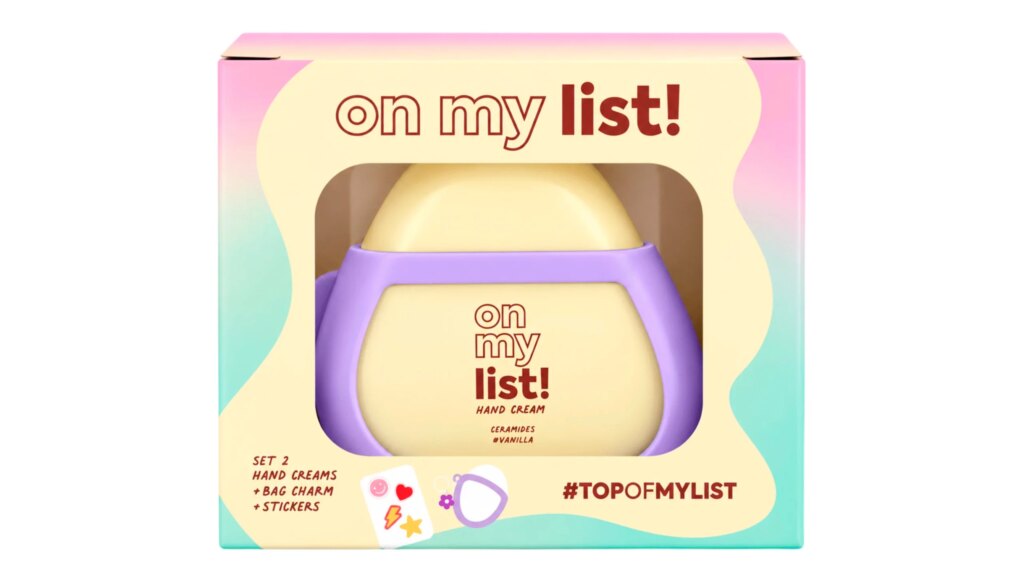
In the beauty sector, brands like Bloom and Beauty List help us respond quickly to new trends while maintaining an accessible and relevant offering; in other areas, we also develop solutions aimed at different health and wellness needs throughout life, especially for women, as clearly exemplified by ÉME, Skinerie, and Mother Wells.
How would you characterize the evolution of the beauty market in Portugal? What changes do you identify in consumer habits, preferences, and selection criteria?
The beauty market in Portugal has evolved very dynamically, with increased competition, growth, and the influence of digital media. Consumers are more informed, discover brands and products through new touchpoints, and seek more personalized, effective, and transparent solutions. We also observe a growing convergence between beauty, health, and well-being, which is reflected in routines and selection criteria. In this context, Wells distinguishes itself by its ability to combine innovation, trust, expert advice, convenience, and a competitive value proposition. This combination is one of our main competitive advantages and allows us to meet the new expectations of consumers.
Which categories and segments are currently experiencing the most dynamism in the beauty market? Which ones show the greatest growth potential and why?
Skincare continues to be a particularly strategic area for Wells, whether in face care, body care, or even in areas with emerging trends, such as K-beauty.
Hair care is also showing strong dynamism, driven by growing attention to hair health and longevity, new consumer needs, and the convergence between professional care and everyday use.
Makeup remains a very relevant and growing category, with room for continued value creation through new brands and an existing presence of over 250 stores. Sunscreen, perfumes, and gifts are also strategic areas, due to their ability to combine innovation, seasonality, and new consumption occasions.
"Consumers are more aware of their budget and more demanding when it comes to the price-benefit ratio: they are willing to invest when they understand and trust the promised results."
What are the main challenges and opportunities for specialized beauty retail in the coming years, in a context of increasing competition, digitalization, and rapidly changing trends?
One of the main challenges will be keeping up with an increasingly rapid pace of innovation and distinguishing viral phenomena from consistent opportunities. At the same time, consumers are more budget-conscious and more demanding in terms of price-benefit: they are willing to invest when they understand and trust the promised results.
Competition is intensifying, both online and offline, and artificial intelligence is beginning to transform research, discovery, and the buying journey. The opportunity lies in integrating these channels, making better use of data, strengthening expert advice, and responding quickly with relevant and accessible offers.
What are Wells' strategic priorities for developing its beauty business in the coming years? Which areas of growth and innovation are expected to become most important?
Our priorities involve consolidating skincare as a central focus, reinforcing our response to diverse needs. We want to continue attracting innovation, new brands, and trends with real relevance for the consumer, making Wells' beauty offering increasingly complete and integrated.
This strategy reflects a shift in how consumers choose and use products: more than seeking a standalone beauty solution, they are looking to integrate care into their routines that also contributes to health and well-being. For Wells, the ability to bring these three dimensions together is a differentiating factor. By combining a complementary offering with expert advice, we help customers choose the care best suited to their needs and build routines that adapt to different stages of life.
Advertise with us!