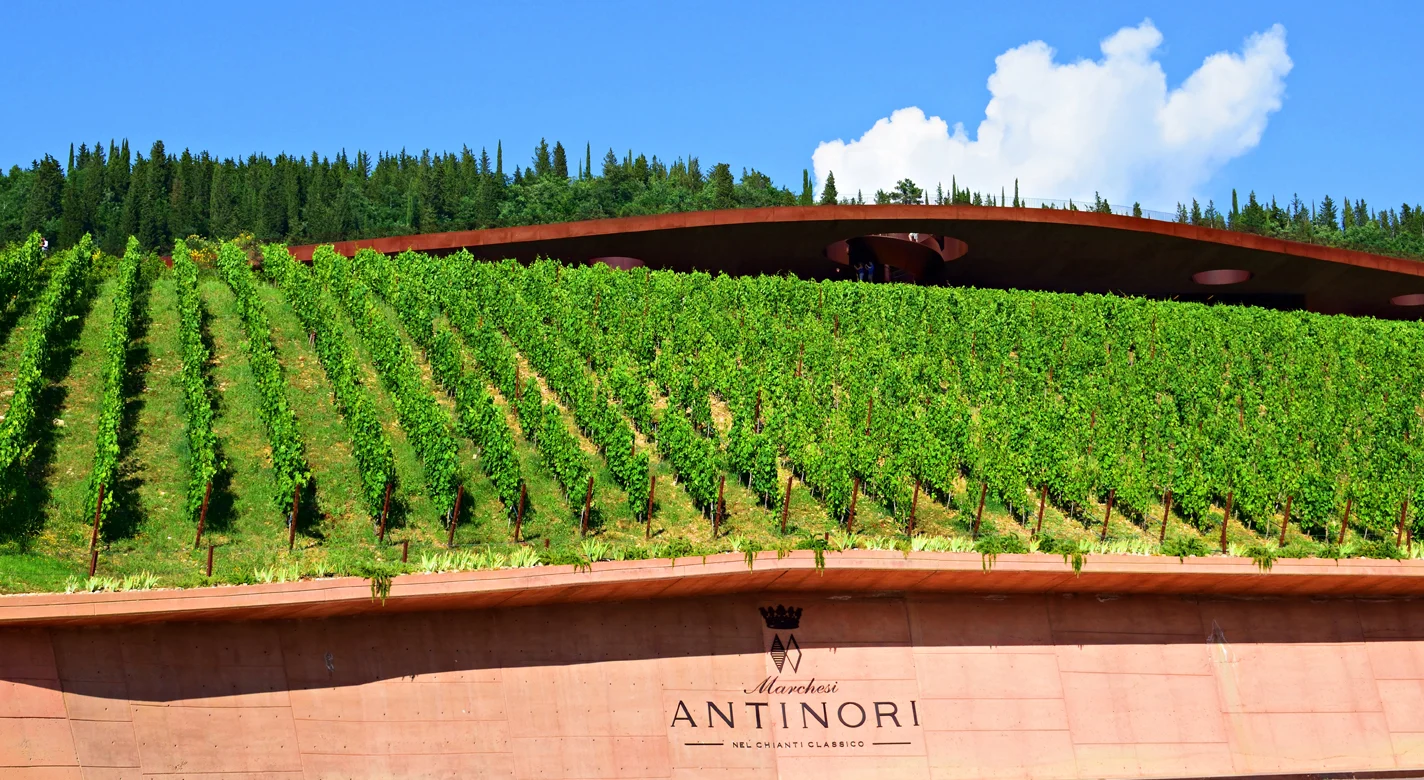
The robbery at Marchesi Antinori in Tuscany gained international attention due to the scale of the losses, but it fits into a recent series of robberies targeting producers and stocks of premium wine.
In the case of Antinori, at least seven masked men are believed to have disabled the security systems and used the company's own forklifts to load two trucks with approximately 30 bottles of Solaia, Tignanello, and Guado al Tasso, resulting in an estimated loss of five million euros.
Reuters notes that the incident follows other large-scale robberies in Italy and that the company itself considers it to be dealing with a highly organized group.
Banfi lost more than 3.000 bottles in June.
In June, Banfi, in Piedmont, was the target of a robbery involving more than three thousand bottles of Alta Langa DOCG, including Cuvée Aurora, Cuvée Aurora Rosé, and Riserva 100 Mesi.
The company considered that the selection of whole pallets and specific references indicated prior knowledge about the products and the organization of the warehouse.
According to Banfi, the bottles were identified and potentially traceable throughout the supply chain, precisely to make it difficult to sell them outside of official channels.
Conterno Fantino lost 3.000 bottles of Barolo in September.
A few months later, on the night of September 16th to 17th, four masked men entered Conterno Fantino, in Monforte d'Alba, and stole just over three thousand bottles of Barolo from the 2021 and 2022 vintages.
Among the items seized were higher-value wines, including Vigna Sorì Ginestra, in magnum and jeroboam formats . The losses were estimated at hundreds of thousands of euros.
As in the Antinori case, the authors demonstrated operational knowledge: they used forklifts and vehicles from the winery itself and worked for several hours with coordinated movements.
Romanée-Conti stolen in three minutes in Milan
The thefts are not limited to producers. In June, two men disguised as construction workers entered the L'Affinatore restaurant in Milan and stole 19 bottles of Domaine de la Romanée-Conti valued at approximately 280 euros.
The operation lasted less than three minutes, and the thieves went straight to the bottles they wanted, leaving other high-value wines behind.
This case reinforces a recurring characteristic: the perpetrators seem to know in advance what to look for and where to find the most valuable products.
High value, small size, and international market.
Premium wine has several characteristics that help explain its growing interest. A single bottle can be worth hundreds or thousands of euros, it takes up little space, is relatively easy to transport, and can retain its value for many years.
Unlike other stolen goods, certain wines still have an international secondary market, involving collectors, restaurants, specialized wine shops, and auctions.
The Italian press has described this type of product as a kind of "red gold ," precisely because of the combination of high value and ease of storage and handling.
The paradox: the rarer it is, the harder it is to sell.
But the high value of the bottles also creates a problem for those who steal them. References such as Solaia, Tignanello, Barolo from renowned producers, or Romanée-Conti have relatively limited production volumes, known distribution networks, and, in many cases, traceability mechanisms.
When thousands of units suddenly appear outside of usual channels, the risk of detection increases. Therefore, following the thefts, producers like Antinori, Banfi, and Conterno Fantino appealed to distributors, customers, and professionals to be wary of unusual offers, excessively low prices, or merchandise without clear documentation.
Traditionally, traceability in premium wine is associated with authenticity, origin, quality control, and combating counterfeiting. Recent cases show that it is also playing a role in asset security and protecting the distribution chain. Batch numbers, shipping records, bottle databases, and reference identification can allow for the recognition of stolen products when they reappear on the market. Banfi stated precisely that the investment made in the traceability of its main references could be crucial in hindering resale.
Wine cellars and warehouses become targets.
Another relevant element is the change in the location of the crime. For years, many of the best-known cases of wine theft involved restaurants, private wine cellars, and collections of a few dozen extremely rare bottles.
The cases of Antinori, Banfi, and Conterno Fantino illustrate a shift towards warehouses and production facilities, where there is access to much larger volumes.
This makes these crimes resemble organized logistical operations: it is necessary to select references, move pallets, operate equipment, and ensure sufficient transport to remove thousands of bottles.
For producers and distributors, the challenge is no longer just about the physical protection of facilities. Recent robberies raise questions about...
Access control, video surveillance, alarms, location tracking stocks of greater value, traceability, transport security and rapid sharing of information with distributors and customers.
It also increases the importance of cross-referencing physical security with inventory data, allowing for the rapid identification of missing batches and alerting the market.
The parallel market is the decisive link.
The true success of a heist of this magnitude ultimately depends on the ability to place the product on the market. This is where producers, distributors, restaurants, wine shops, auction houses, and specialized platforms can play a crucial role.
The more information circulates about stolen references, batches, formats, and vintages, the harder it becomes to introduce thousands of premium bottles into a legitimate channel without raising suspicion.
The Antinori case is therefore more than just an episode of corporate crime. It is a sign that the increasing value of premium wine is creating new risks for the entire chain, from the winery to the end consumer.
Advertise with us!