Healthy eating has become a concern for most Portuguese people, with 90% stating that they pay more attention to the balance of their meals and 51% even indicating that, in the last year, they have changed their habits to start eating better.
In a context of inflation, where 97% of people expect food prices to continue rising and 50% of Portuguese people already spend more than 30% of their monthly budget on food, the loss of purchasing power is forcing increasingly greater cuts in this area. On the restaurant side, more than half admit to serving fewer customers. Trying to meet the new expectations of consumers, 52% indicate that they already offer healthier and more balanced options.
Sustainability in food is also becoming increasingly important. 84% of Portuguese people admit to being concerned about food waste, and 82% say they would like to know which restaurants have implemented measures to combat waste. In turn, 90% of restaurant managers reveal that they have already implemented measures to combat food waste. 74% also acknowledge that, in recent years, they have changed their suppliers and habits in order to have healthier and more local products, and 75% use organic products in their menus.
These are some of the main conclusions of the FOOD Barometer, the study launched annually as part of the initiative of the same name. Coordinated by the Edenred Group, together with 25 public partners and universities, including the Directorate-General of Health and the Faculty of Nutrition and Food Sciences of the University of Porto, the FOOD Program (Fighting Obesity through Supply and Demand) aims to promote a balanced lunch diet through various actions with employees, companies and restaurants.
In Portugal, the FOOD 2023 Barometer received over 1.300 responses, highlighting two other global trends already observed last year: the slow and steady digitalization of the restaurant sector and the role of meal vouchers (meal cards) in ensuring food budgets, as well as improving the quantity and quality of food.
People want to eat better, but they can't afford it.
The FOOD Barometer reveals that 90% of Portuguese people are more aware of the importance of healthy eating. 93% of respondents indicated that health is the main motivation for wanting to change their habits, followed by the search for greater food diversity (72%) and environmental/animal issues (68%).
51% of Portuguese people even say that, in the last year, they changed their eating habits to eat better. 84% also reveal that they take the nutritional content into account when making choices. However, considering the total number of lunches and dinners, only 23% of people have between 11 and 14 healthy meals per week. 28% of Portuguese people have between seven and nine balanced meals, 30% between four and six meals, and 20% less than three.
Given the context of inflation, which last year already led people to cut back on food expenses, half of the Portuguese population spends more than 30% of their monthly budget on food, with 17% even spending more than 40%. According to Eurostat data, in 2019, Portuguese people spent an average of 16% of their monthly budget on food.
With 97% of Portuguese people believing that food prices will continue to rise in the coming months, currently 70% say that, at the end of the month, they no longer have money available from their food allowance and need to use other means to pay for meals. It should be noted that, despite the amount of the meal allowance dispensed on a meal card being €9,60 per day, according to a study conducted by Netsonda for Edenred, the average Portuguese person receives €5,77 per day. If they received more, people believe they would improve the quality of their meals (75%), increase the amount of food at lunch (54%), buy more products to prepare meals (87%), and go to restaurants more often at lunchtime (42%).
The loss of customers in a sector with slow but steady digitization.
The growing demand for healthy meals is already being felt in restaurants. 64% of managers believe that customers notice and appreciate the offer of healthier/more balanced meals, 44% even report a greater demand for balanced dishes, and another 44% believe that offering healthy meals could be a source of sustainable revenue.
For this very reason, most restaurants already promote healthy eating. 74% have vegetarian options on the menu and 61% offer a vegetarian dish of the day at least once a week.
Also meeting customer expectations, there is a growing digitalization of restaurants: 26% offer online ordering for takeaway service, 14% have their own delivery service, 21% offer a "order and pay at the table" service (via QR code), 19% work with table reservation platforms and 25% with delivery platforms.
However, with 57% of Portuguese people saying that, given the price increases, they would most likely cut back on restaurant expenses, more than half of the establishments (52%) are already experiencing a loss of customers.
The importance of meal vouchers
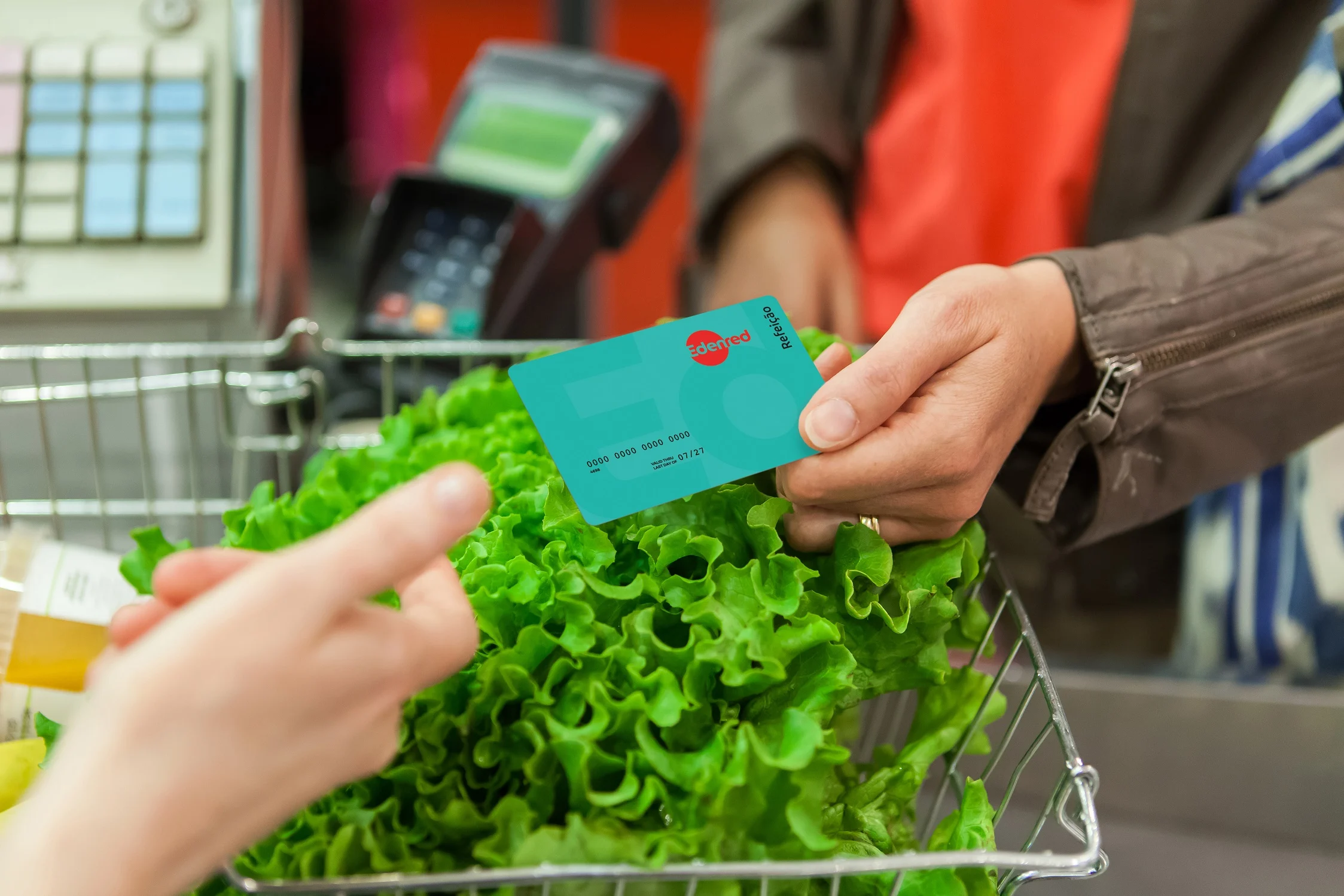
Given the decline in purchasing power, which impacts the ability to maintain a healthier and more balanced diet, the social meal voucher appears to be an important tool for securing a food budget and ensuring improved food quality.
More than two-thirds of Portuguese people believe that social meal vouchers (cards) increase their purchasing power, 33% even say that they allow them to eat better (a complete and more balanced meal) and 25% that they allow them to go to restaurants more often.
Restaurant managers also highlight the advantages of meal vouchers. 60% state that the meal voucher system has a positive impact on their business, highlighting increased revenue, greater visibility of the establishment, attracting new customers, and a higher number of visits from customers who have meal vouchers compared to those who do not. Thus, 80% are satisfied with the meal voucher system.
Follow us on: