Cooking, eating out, or ordering in? In Portugal, decisions at the table are increasingly practical and conscious, but remain deeply linked to emotions. This is the main conclusion of "What is cooked? Habits Report" by Bolt Food , a survey that paints a current picture of the eating habits and motivations that influence the choices of the Portuguese.
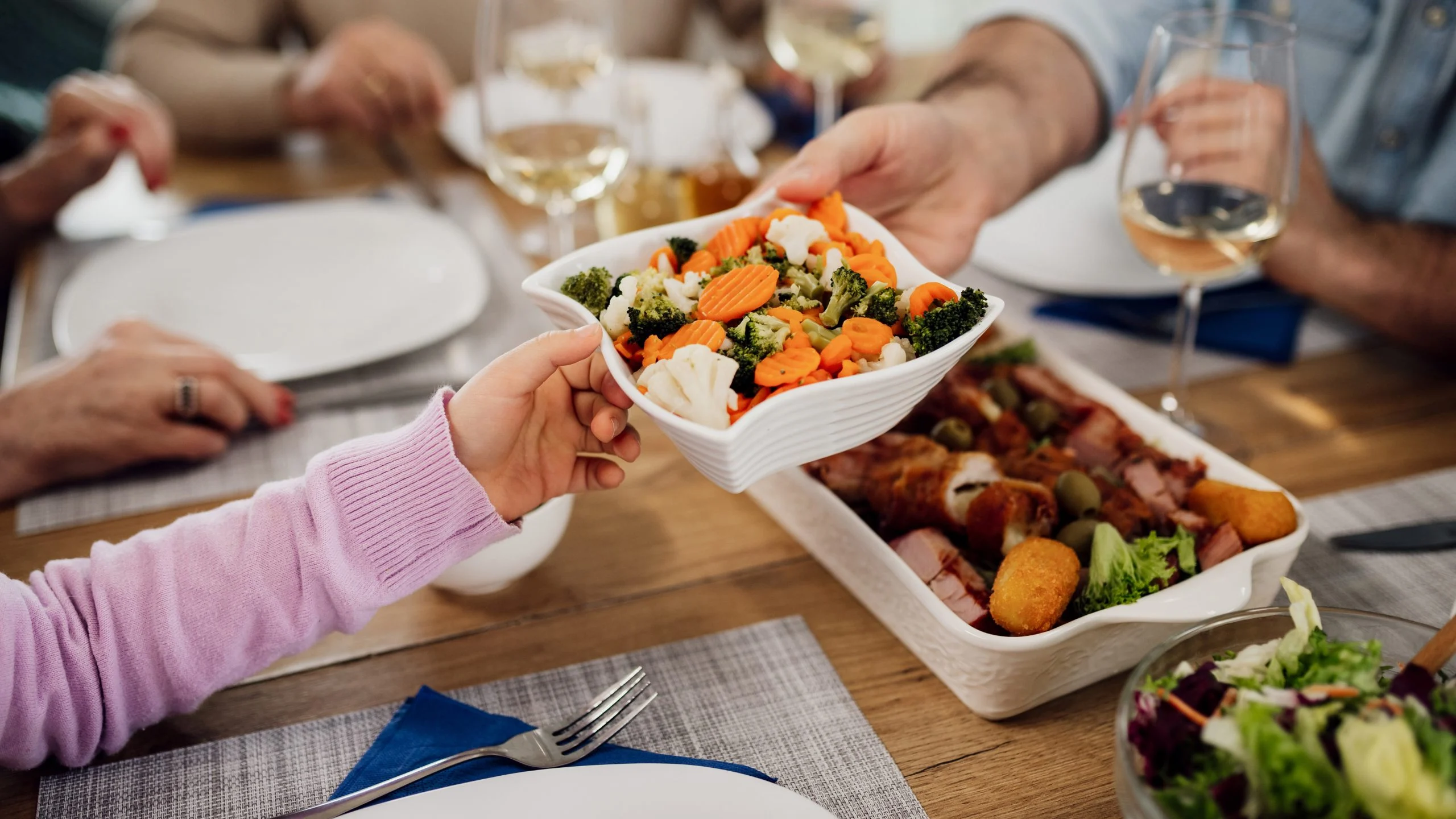
The study shows that most people maintain a routine of three daily meals, with lunch or dinner as the main hot meal. During the week, eating tends to be a more solitary moment where many people eat alone, even if they live with others, while evenings and weekends bring more conviviality, with meals shared with family or friends. Home-cooked food remains the favorite option, valued for its taste, comfort, and affordability, with health and good deals playing an important role in the decisions.
When it comes to cooking at home, the data shows that there are differences in how responsibilities are shared: 59% of people who consider themselves primarily responsible for cooking are women, while 70% of men say they share this task with someone else or do not consider it the primary responsibility. Even so, cooking is not seen solely as an obligation: 41% say they enjoy doing it and feel pleasure in the process, although for 10% it continues to be seen as a duty.
Health and convenience
The main motivation for turning on the stove remains the same: 58% consider cooking healthier and 49% more economical. These numbers show that, between tradition and change, cooking continues to be a valued habit, with a gradual evolution in how tasks are shared within the home.
Eating out emerges as a moment of reward. The main reasons given for leaving home are to savor something special, save time, and the social aspect of meals. Among younger people, this habit is even more frequent: 52% of people between 18 and 29 years old say they would eat out every day if they could. For these generations, eating out is not just a matter of convenience, but also a way to socialize and enjoy the moment.
Home delivery food delivery plays a unique role in this balance. In Portugal, 20% of people aged 18 to 65 use this service at least once a week, mainly as a shared experience: 57% order for themselves and their family. Mobile apps are the most common way to order, chosen by 43% of users. Among the factors influencing app choice, discounts and promotions (55%), general prices (46%), and delivery times (36%) stand out.
According to Daniel Glusman, head of Bolt Food in Portugal, “ our food choices say a lot about us. We cook at home because it makes us feel good, because it’s healthy, and because it’s affordable. We eat out to celebrate, to save time, or to share moments with loved ones. And when we order food for delivery, it’s often to bring together those around us and enjoy the meal together. Ultimately, food is more than just nutrition: it’s about conviviality, it’s about taking care of ourselves and others. At Bolt Food, we like to be part of these moments by offering experience, variety, and the best prices .”