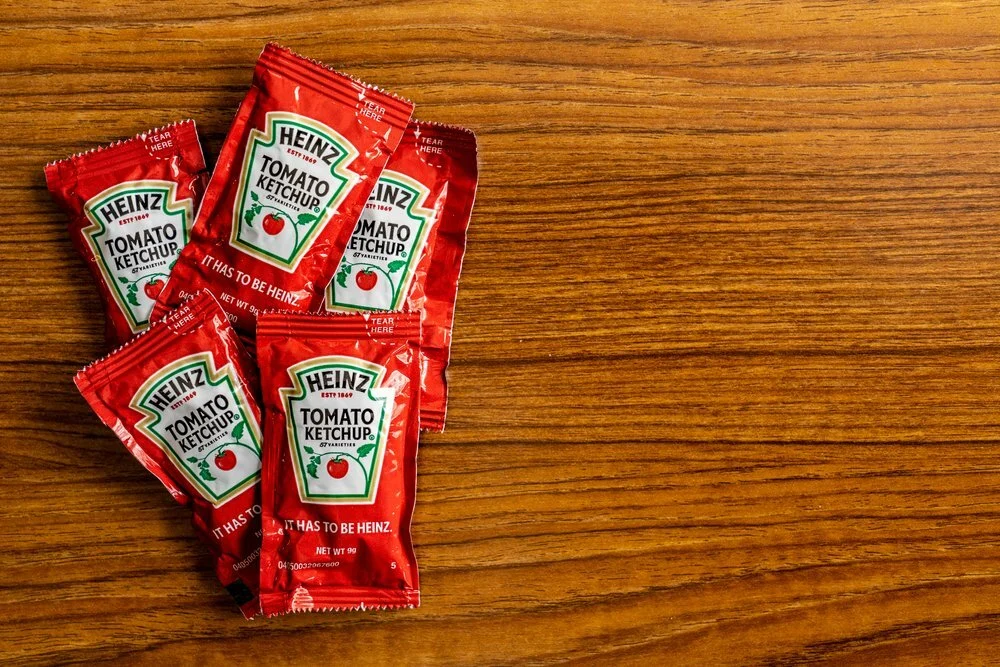
Kraft Heinz has announced a historic decision: the separation of the company into two independent publicly traded companies, with completion expected in the second half of 2026. The operation, unanimously approved by the board of directors, will be carried out through a tax-exempt spin-off and aims to reduce organizational complexity, improve resource allocation, and create long-term value for shareholders.
The new entities will initially be known as Global Taste Elevation and North American Grocery. The former will focus on the global segment of sauces, condiments, and non-perishable foods, with iconic brands such as Heinz, Philadelphia, and Kraft Mac & Cheese. In 2024, this division recorded net sales of $15,4 billion and an adjusted EBITDA of $4 billion.
North American Grocery will be dedicated to the North American market for staple and ready-to-eat foods, with brands such as Oscar Mayer, Kraft Singles, and Lunchables. This unit generated revenues of $10,4 billion last year and an adjusted EBITDA of $2,3 billion. The current CEO of Kraft Heinz, Carlos Abrams-Rivera, will assume leadership of this new company.
New operational focus
According to Miguel Patricio, chairman of the board and future Executive Chair, Kraft Heinz's current structure has hindered the prioritization of initiatives and the achievement of scale in areas with the greatest potential. With the split, each company will be able to operate with greater focus, agility, and strategic investment capacity. " By separating into two companies, we will be able to dedicate the appropriate level of attention and resources to unlock the potential of each brand, drive better performance, and create long-term value for shareholders ."
A Separation Committee was created, led by John Cahill, former CEO of Kraft Foods Group, to oversee the entire process. The company will maintain its headquarters in Pittsburgh and Chicago, and assures that the separation will be fiscally neutral for shareholders and the company itself. The current dividend level will be maintained, and both companies will have solid financial structures to guarantee investment grade status.
The 2015 merger failed to deliver on growth promises.
This split comes a decade after the merger between Kraft and Heinz, driven by 3G Capital and Warren Buffett's Berkshire Hathaway. The merger promised accelerated growth and efficiency through cost-cutting, but the results fell far short. Since then, the share value has fallen by about 60%, affected by changes in consumer habits and pressure from private label brands.
Warren Buffett stated he was " disappointed " with the outcome of the merger, reports CNBC, and believes the separation will not, by itself, solve the company's structural problems. According to Reuters, Berkshire Hathaway recently recorded a $3,76 billion devaluation in its 27,4% stake in the company.
Kraft Heinz's decision is part of a broader trend among large consumer goods groups, which are rethinking conglomerate structures in the face of challenges such as stagnant growth, depressed valuations, and changing consumer behavior.
Similarly, Keurig Dr Pepper recently announced the acquisition of JDE Peet’s , which will result in the separation of the coffee operations and other beverage businesses of the resulting entity into two separate companies.
Follow us on: