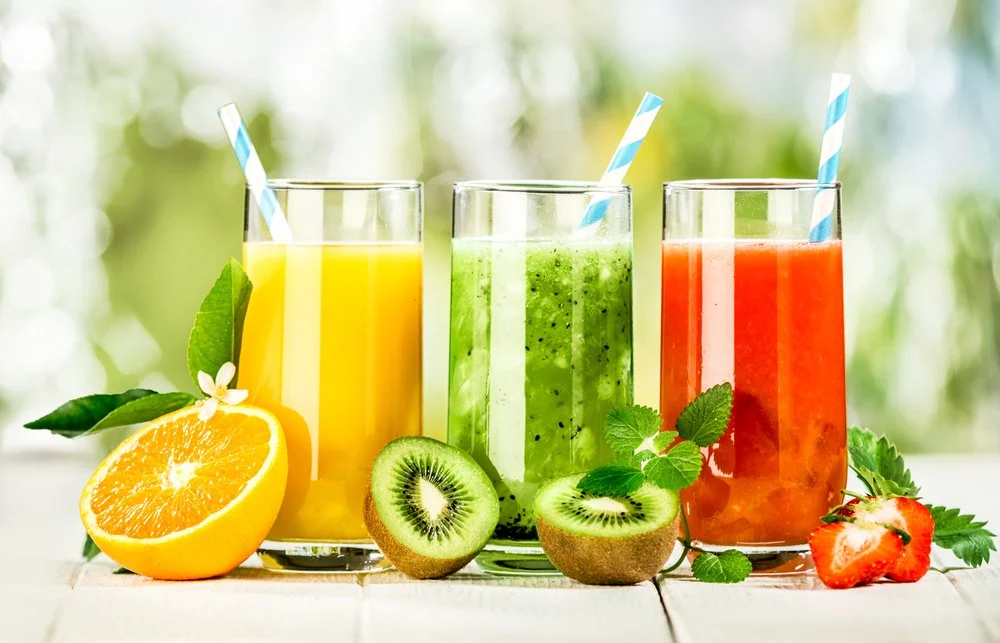
Evaluating and distinguishing the impact on type 2 diabetes of naturally occurring sugars in fruit juices versus added sugars was the main objective of an independent study coordinated by Paulo Matafome, a researcher at the Faculty of Medicine of the University of Coimbra, with the support of Sumol+Compal, one of the leading Portuguese fruit juice beverage companies.
To study the effect of sugars, several parameters were investigated, such as oxidative stress, glycation (a process that leads to the loss of protein function and alters the elasticity of tissues, such as blood vessels, skin, and kidneys), glucose metabolism, and energy balance—processes that occur naturally but, when dysregulated, are implicated in the development of type 2 diabetes, a type of diabetes usually associated with an unbalanced diet and/or lack of physical exercise.
The study, conducted on a population of diabetic rats, sought to determine blood glucose levels immediately after ingesting different fruit juices and sugary solutions with similar amounts and profiles of sugars. One of the conclusions points to the fact that sugary solutions cause a greater increase in blood glucose and decrease the total antioxidant capacity of red blood cells during this period, when compared to fruit juices, which only contain naturally occurring sugars.
Impact of chronic consumption
Another issue assessed was the impact of chronic consumption of fruit juices and an equivalent volume of sugary solutions on metabolism. Unlike juices (without added sugars), sugary solutions increased blood glucose levels, but had a moderate impact on markers of oxidative stress and glycation, used to assess tissue damage.
This study also demonstrated that unrestricted consumption of sugary drinks led to a dysregulation of energy balance and a higher caloric intake, compared to fruit juices when also administered without restrictions. It was also found that animals with free access to sugary drinks showed increased body weight and fasting glucose, as well as increased oxidative stress and glycation in various tissues.
Sugar-free
It is known that the increasing consumption of so-called Western diets, with high amounts of foods and beverages rich in sugar and fat but poor in micronutrients and phytochemicals, is associated with a higher risk of obesity, metabolic syndrome, and type 2 diabetes, with a significant impact on society, both from a health and economic point of view. The World Health Organization (WHO) has defined free sugars as those that are added or naturally present in certain foods, including fruit juices, and has set a limit for their consumption in children and adults of 5% to 10% of daily energy intake.
“ The definition of free sugars includes those naturally present in foods, such as natural fruit juices or honey, as well as added sugars, making no distinction between added and naturally occurring sugars. Foods with naturally occurring sugars have other compounds in their composition that, in many cases, regulate the digestion, absorption, and cellular uptake of sugars; this is not the case with simple matrices with added sugars, such as the one used for comparison with the juices in this study. These sugars are more exposed to reactions that convert them into toxic compounds, some of which are associated with the complications of diabetes, ” adds Paulo Matafome.