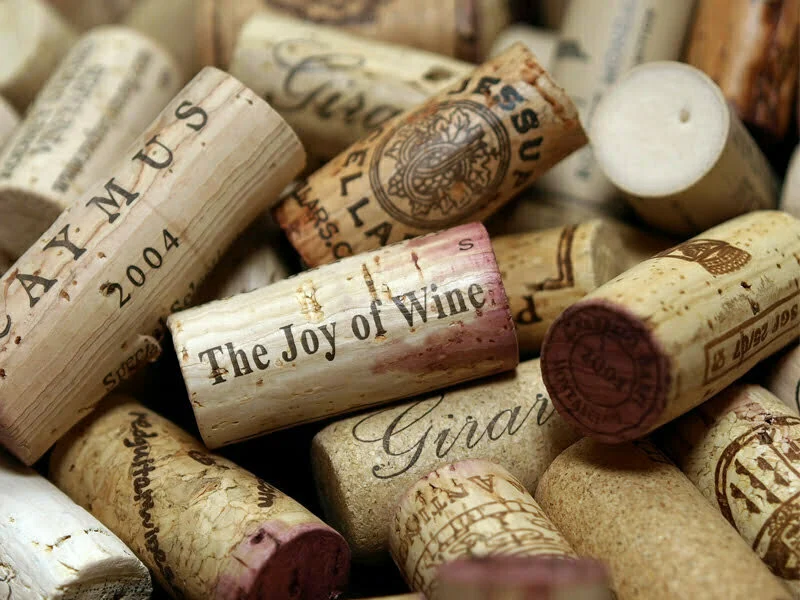
Portuguese cork was excluded from the new US tariff regime defined within the framework of the trade agreement between the European Union and the United States. APCOR – the Portuguese Cork Association – welcomes this decision, which it considers of " enormous importance for the sector and for the national economy ," underlining the strategic role that this exemption will have for the international competitiveness of national products.
Recognition of the uniqueness of cork
According to the association, the exclusion of cork from the application of US tariffs reflects international recognition of the geographical and economic specificity of this raw material, whose production is concentrated exclusively in the Mediterranean basin. Portugal is responsible for the largest share of world production, establishing itself as a global leader in the sector.
The unique nature of cork makes it virtually impossible to relocate current European production centers to the USA, which reinforces its global exclusivity.
The North American market is crucial.
The decision takes on even greater significance considering the size of the United States in the wine industry. The country is currently the 4th largest wine producer in the world, with about 10% of global production, and relies heavily on cork stoppers to maintain the required quality standards.
The lack of alternatives capable of replacing this natural product places Portuguese cork in a privileged position in the American market. APCOR emphasizes that tariff exemption is fundamental to reversing the recent downward trend in exports to the USA, ensuring greater competitiveness and access to what it considers to be "one of the most relevant markets for the sector".
Despite its high level of internationalization, the cork industry largely depends on consolidated markets, particularly in the wine sector. Therefore, the association explains, there is no room for an effective market diversification strategy in the short and medium term. In this context, maintaining competitive access to the North American market is crucial for the sector's sustainability.
APCOR also highlighted the role of Portuguese public entities in the negotiation process that led to the decision. The association thanked the Government of Portugal, the Permanent Representation of Portugal to the European Union (REPER), the Portuguese Embassy in Washington, and the AICEP delegation in the USA for their "decisive" intervention in defending the interests of the sector.
“ This is a moment of enormous importance for the cork industry and for the national economy. Defending the interests of a sector in which Portugal is a world leader has been ensured thanks to a joint and coordinated effort by various entities, allowing us to strengthen the strategic position of our products in the American market ,” APCOR emphasizes in a statement.
A strategic sector for Portugal
Cork is one of Portugal's main export products, with a strong impact on the trade balance and the value of the forestry sector. Present in more than 100 countries, the national industry leads in innovation and sustainability, maintaining Portugal as a world reference in the production and processing of this raw material.
The tariff exemption now achieved in the North American market thus reinforces Portugal's competitive position in a sector where it holds clear global leadership and where international demand remains strong, driven by the growth in wine consumption and the appreciation of sustainable solutions.
Follow us on: