Digitalization has ceased to be a differentiating factor and has become an essential condition in the beauty and wellness sector in Portugal. A recent study on consumer trends, carried out by sheerME , reveals that technological convenience and financial benefits are now decisive factors in consumer choice and loyalty, in an increasingly competitive and fragmented market.
According to the analysis, carried out with 76 Portuguese consumers, more than 60% use beauty or wellness services at least once a month, integrating these treatments into their regular self-care routine. Far from being seen as an occasional luxury, these services represent a planned expense, with monthly costs mostly ranging between 25 and 100 euros.
The consumer profile is clear: predominantly female, aged between 25 and 45, belonging to the Millennial and Generation X segments – age groups with greater purchasing power and a high predisposition for digital solutions. Hairdressing, barbering, and manicure/pedicure services lead the preferences, reflecting the cyclical and recurring nature of this type of consumption.
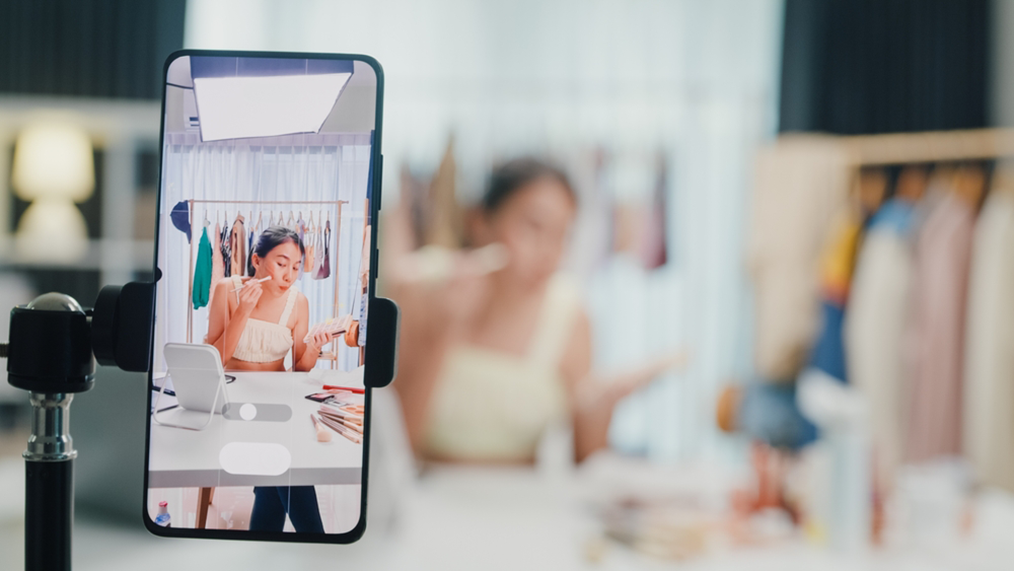
But it is in the way consumers choose and book these services that the most structural change is observed. Online booking , with access to real-time schedules and immediate confirmation, emerges as one of the main decision factors, surpassing traditional methods such as phone calls. The possibility of scheduling services outside of business hours is cited as one of the greatest advantages of digital platforms, especially among younger consumers, where the use of voice calls is in sharp decline.
“ It’s no longer enough to provide a good service; it’s essential to offer a simple, digital experience with clear financial benefits,” emphasizes Miguel Ribeiro, co-founder and CEO of sheerME, a digital platform for scheduling and managing beauty and wellness services. Today’s consumer is informed, demanding, and convenience-oriented.
Another piece of data that marks a turning point in the sector relates to the growing importance of economic incentives in customer loyalty. Around 80% of respondents say that the existence of cashback systems or recurring discounts would decisively influence their choice between two similar establishments. This trend reveals a shift from the traditional loyalty model, historically based on personal relationships with professionals, to a more rational model based on tangible and immediate financial advantages.
The study also points to a fragmentation of consumption: the average user uses various establishments and service categories throughout the month. In this context, centralizing the experience on a single platform – allowing users to book different services in different locations – emerges as a critical convenience factor, capable of overriding loyalty to a single physical space.
Openness to technological innovation is another positive sign identified. Consumer perception regarding the use of artificial intelligence in the sector is mostly favorable, especially when applied to virtual diagnoses or personalized recommendations based on consumption history. The condition is clear: the technology must simplify the experience and generate practical value, without adding complexity.
The conclusions are unequivocal. Omnichannel is no longer optional, and establishments that rely exclusively on telephone bookings are losing competitiveness. The integration of digital solutions, combined with cashback programs and a seamless user experience, is now identified as the main driver of customer retention.