The global automotive industry is undergoing a profound structural transformation, driven by shifting consumer priorities, the rise of electric vehicles , and weakening loyalty to traditional brands. These are the conclusions of the study “ What Car Buyers Want: A Global Guide for Automotive OEMs , ” by the Boston Consulting Group (BCG), which analyzed responses from over 9.000 consumers in ten countries and identifies five key trends that will shape the sector in the coming years.
According to the report, the automotive market has become more fragmented, more digital, and less predictable, posing new challenges to manufacturers in a context where purchasing decisions no longer follow historical patterns. For BCG, the next five years will be crucial for the competitiveness of manufacturers globally.
One of the most relevant trends is the growing openness of consumers to vehicles from Chinese brands. Between 10% and 20% of Europeans admit to considering buying a Chinese car, a significantly higher figure than the current average market share of these manufacturers in the European Union. In emerging markets, such as Brazil, this predisposition rises to 36%. In China, national brands already dominate 69% of the market, while in the United States acceptance remains minimal, with only 7% of consumers considering this option.
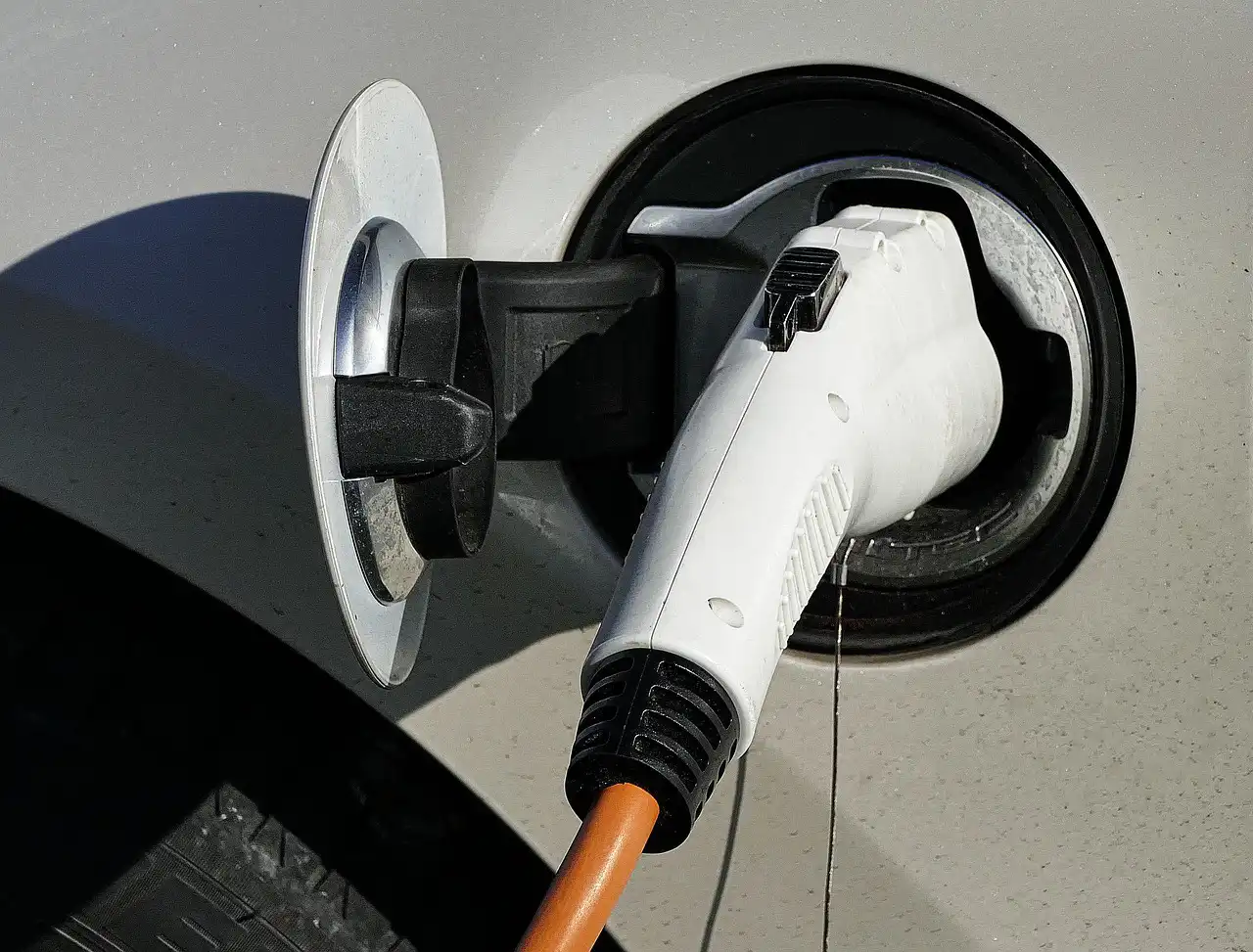
The transition to battery electric vehicles (BEVs) is progressing gradually but consistently. The study reveals that 71% of current BEV owners intend to repeat the purchase, signaling high levels of satisfaction. In contrast, only half of drivers of vehicles with conventional engines plan to maintain the same type of engine in their next purchase. Motivations vary by region: in Europe, costs and savings weigh heavily; in the United States and China, technology and advanced features stand out. Even so, resistance persists, with a significant portion of consumers stating that they will never switch to an electric vehicle.
Another structural change relates to the breakdown of brand loyalty. Only 35% to 40% of consumers in Europe and the US plan to buy the same brand again, a percentage that drops to around 10% in China. This trend is particularly evident among younger consumers, who are more receptive to new brands, business models, and technological solutions.
Autonomous driving is also emerging as an increasingly valued feature. Most users who have already experienced these functionalities consider them useful, while almost half of those who have never tried them recognize their potential. However, the acceptance of full autonomy varies significantly between regions, being much higher in China than in Europe or the USA.
Finally, digitalization plays a central role in the car buying and usage experience. Around 31% of consumers admit they will buy their next vehicle entirely online, a percentage that rises to 44% among younger people. The demand for integrated digital ecosystems and remote updates has become a decisive criterion in choosing a car.
According to Carlos Elavai, managing director & partner at BCG, “ we are witnessing a structural change in the automotive sector: consumers are redefining their priorities, loyalty is weakening, Chinese brands are gaining prominence, and electric vehicles are consolidating their rise .” He believes that manufacturers who can anticipate these trends and create differentiating experiences will be the ones leading the next growth cycle.
Given this new context, the study recommends that manufacturers adapt their regional strategies, strengthen their digital capabilities, develop affordable electric offerings, and reposition their brands in a market where customer loyalty is no longer guaranteed.
Follow us on: