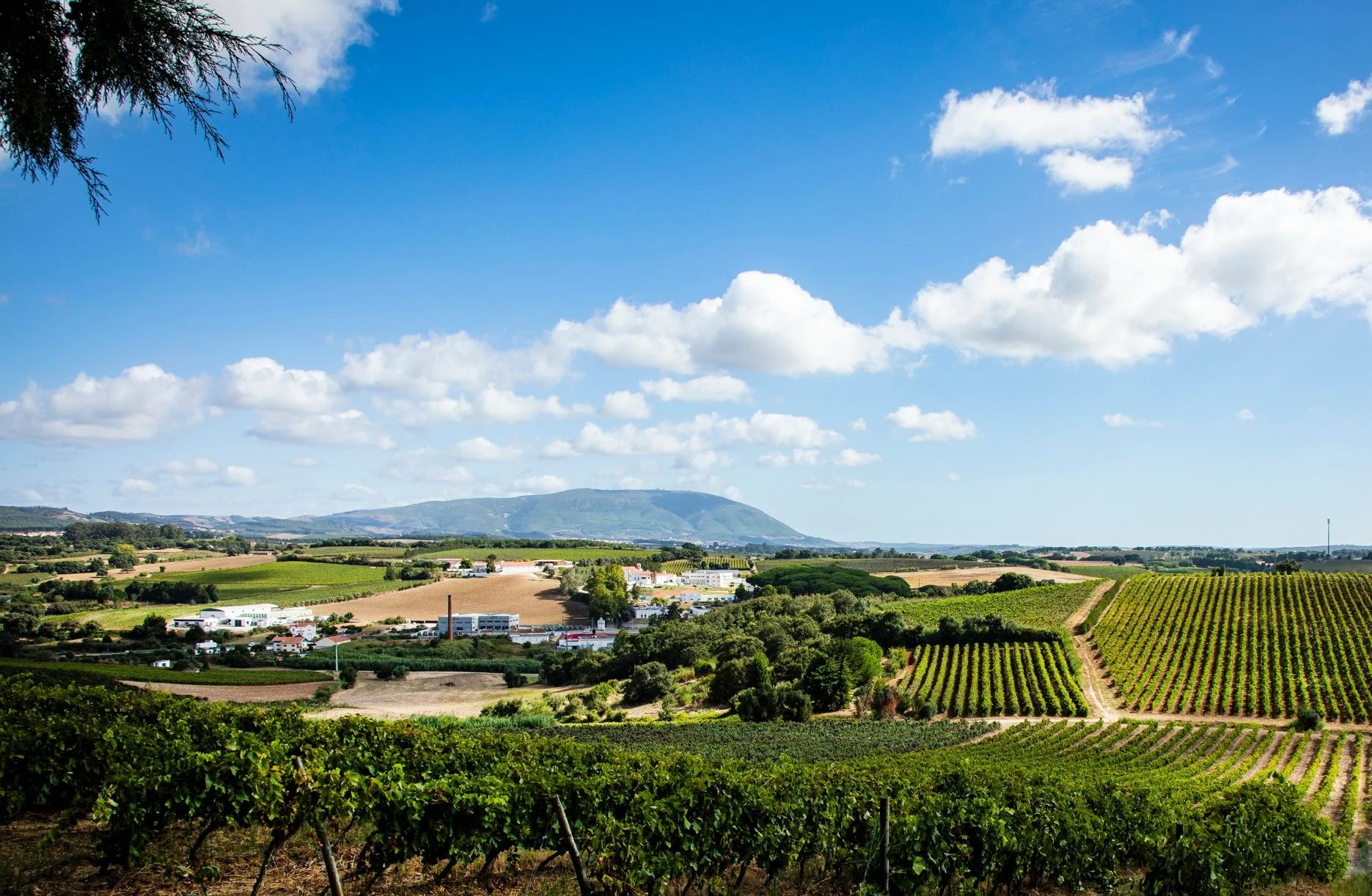
Initial data from the Lisbon Wine Region Commission (CVR Lisboa) confirms a more pronounced reduction in production in 2024 than the initially predicted 15%, reaching 40% in many cases.
“ The entry into production of the new vines planted in recent years will not be enough to counteract this scenario of decline, and the weather conditions of the next three weeks will be decisive for the outcome of the wine-growing year ,” reveals Francisco Toscano Rico, president of CVR Lisboa.
According to this official, this is a harvest in which " the level of professionalism and the ability of winegrowers to intervene will make all the difference. Those who took preventative measures, entering the vineyard at the right time, do not have such significant losses in production and have quality in the vineyard, proven at the time of delivery of the grapes to the wineries ."
Take Lisbon
This harvest season is expected to see a significant increase in the production of Leve Lisboa wine, characterized by its lower alcohol content and good acidity. " This increase is in line with new consumption trends, clearly evident in the extraordinary growth of approximately 80% in Leve Lisboa wine sales in the first eight months of this year ," emphasizes the president of the CVR Lisboa (Lisbon Wine Region Commission).
Total sales of Lisbon wines reached a new absolute record up to last August, with approximately 50 million bottles sold during the first eight months of 2024, two million more than in the same period of the previous year. This represents a 4% growth compared to 2023, driven by increased sales of white and rosé wines and Leve Lisboa wines.
Consumer markets
The domestic market is one of the main consumer markets for Lisbon Wines, already representing almost 20% of total sales. Exports account for nearly 80%, distributed among around 100 countries, led by the United States of America, the United Kingdom, Brazil, Canada, Scandinavian countries, Germany, and Poland.
The Lisbon Demarcated Region encompasses nine designations of origin, which are the starting point for the diversity of its wines: Carcavelos, Colares, Bucelas, Arruda, Alenquer, Torres Vedras, Lourinhã, Óbidos, Encostas d'Aire and the Medieval sub-region of Ourém.
Follow us on: