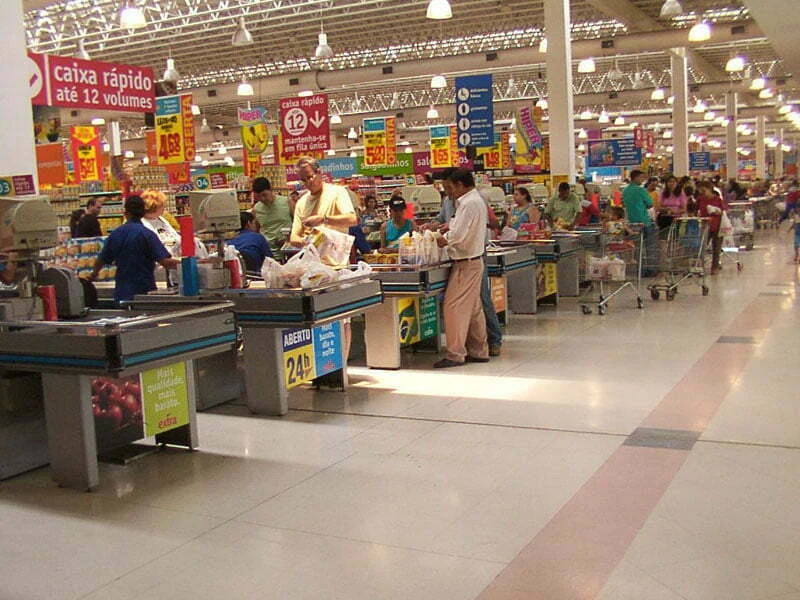
The first 20 weeks of 2014 witnessed considerable changes in the purchasing behavior of Portuguese households in the fast-moving consumer goods sector. According to Kantar Worldpanel, perhaps the most significant change was the considerable reduction in purchase frequency, which fell by 4%, a reversal compared to 2013.
This means that the increased promotional pressure at the start of the year did not lead to an increase in purchase frequency, as shoppers are preferring to buy with slightly larger baskets (including value) and go shopping less often. For total FMCG consumption, there was a 1,1% increase in volume consumed by households, but at a lower price, as the overall value fell by 2,1%.
Promotional pressure
One of the main explanations for this result is undoubtedly related to promotional pressure. In fact, sales with promotions now account for 19% of the entire FMCG (non-fresh) market. The average discount obtained by buyers reached 24%.
“If we focus only on the “FMCG Non-Fresh Produce” market, we conclude that the gross value decreased by 1,7%. But at Kantar Worldpanel, we can also remove the promotional value from this market and conclude that the drop in value, discounting the value of promotions, was actually 2,1%. A clear depreciation of this market, even without accounting for inflation. If we delve a little deeper into the analysis of consumer trends at the beginning of this year, we also conclude that the group of shoppers who are most loyal to promotions – those who dedicate more than 55% of their budget to products on promotion – are curiously those who show a large reduction in purchase frequency (-20,9%) compared to what they did in the same period last year. We are therefore facing significant paradigm shifts, where the promotional logic will have to be evaluated and well managed ,” warns the consultancy.