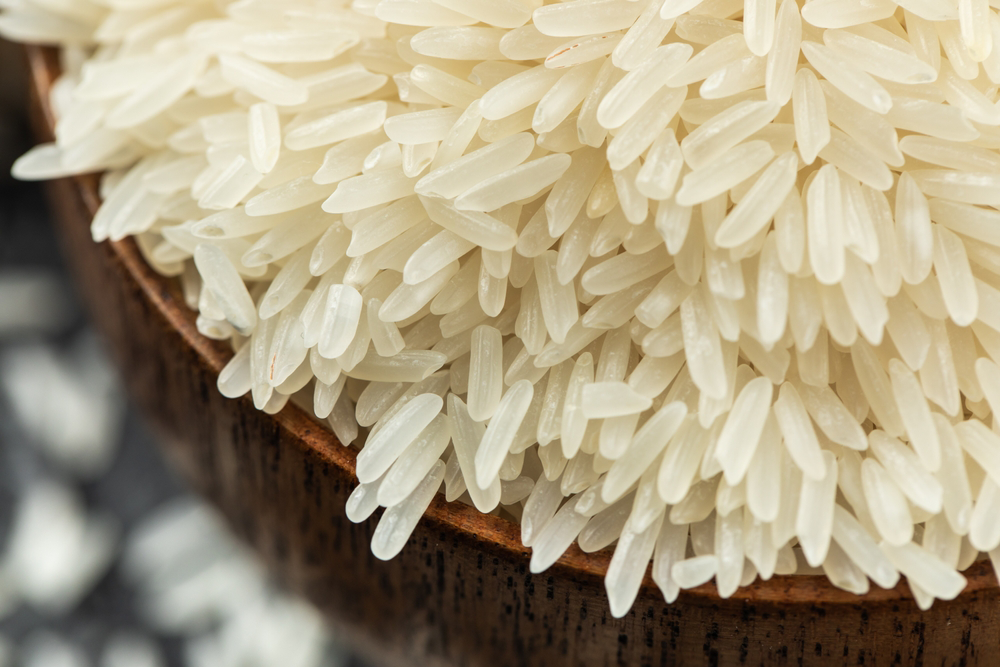
The international price of rice fell 35% in the last year, reaching its lowest value since 2017, according to the most recent analysis by Coface. The sharp decline results from the end of export restrictions imposed by India, combined with record harvests in Asia, which are generating an oversupply in the global market.
After three years marked by strong instability — with accumulated increases of 19% in 2022 and 2023 — the world rice market faced a record production of 541 million tons in 2024. This imbalance is now putting downward pressure on prices and creating tensions in both producing and importing countries.
Reopening of Indian exports alters the global balance.
India, which accounts for 40% of global exports, had restricted overseas sales to curb rising prices caused, among other factors, by the war in Ukraine and adverse weather conditions in Asia.
The reopening of exports in 2024, coupled with robust harvests in several Asian countries, precipitated a sharp drop in the international price.
Coface anticipates that, with the increased production projected for 2026 and the possible return of the La Niña phenomenon at the end of 2025, the global surplus should intensify. Analysts project that prices will continue to decline at least until the end of 2025, with a potential stabilization in 2026 at levels not seen in the last decade.
Highly concentrated market increases global vulnerability.
Rice is the most consumed staple food in the world, surpassing wheat and corn. Even so, international trade is limited and highly dependent on Asia, a region that accounts for about 90% of global production and consumption.
Five Asian countries account for 75% of global exports, leaving dependent economies—such as several sub-Saharan African countries—particularly vulnerable to policy decisions in key markets like India.
The prolonged drop in prices threatens the profitability of producers who cannot compete with Indian volume. In response, the Philippines suspended imports for 60 days, starting September 1, to protect domestic farmers.
Indonesia has also adopted food sovereignty policies, increasing domestic production to reduce dependence on Asian imports.
Follow us on: