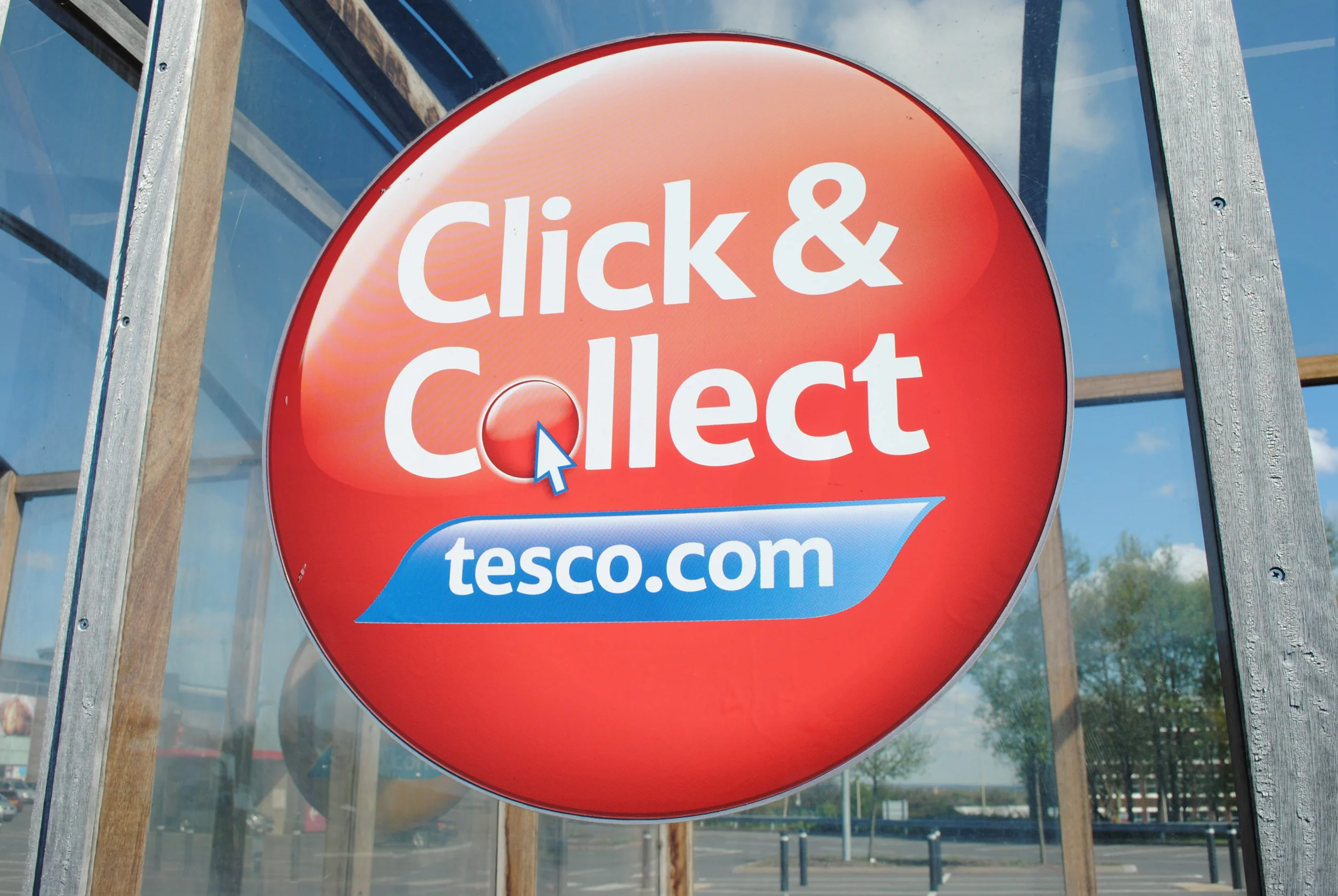
2018 was an important year for click & collect, with a 40% increase in the number of locations implemented by leading omnichannel retailers worldwide.
According to Planet Retail, currently 80% of the top 25 retailers use this service, and most achieve same-day delivery rates.
Click & collect potentially solves some of the costs of e-commerce, excess store space, and the growing demand for speed and convenience. The model benefits retailers who want to expand their omnichannel capabilities without fundamentally transforming their business model. With lower investment and resource allocation needs than home delivery, in addition to the ability to utilize excess store space, it allows retailers to cope with increasingly tight margins. Rewe, for example, has shifted its focus away from home deliveries and prioritized click & collect, which it considers more economically viable, and plans to expand it to all its stores in Germany.
According to Planet Retail, the benefits also extend beyond e-commerce, as 51% of active online shoppers make unplanned purchases when picking up their orders.
Thus, click & collect networks are rapidly being built to allow retailers to expand their scale and online penetration. In 2018 alone, more than five thousand new collection points were added by major operators globally. In the United States, for example, Walmart doubled the number of stores offering collection points and plans another thousand locations, as well as 900 automated towers in 2019.
Nevertheless, this model also raises the issue of differentiation. The future development of click & collect will have to involve four fundamental elements, starting with coverage, with the need for the service to reach more and more stores in order to gain penetration, followed by speed, with reduced collection times, innovation in format, and experience.