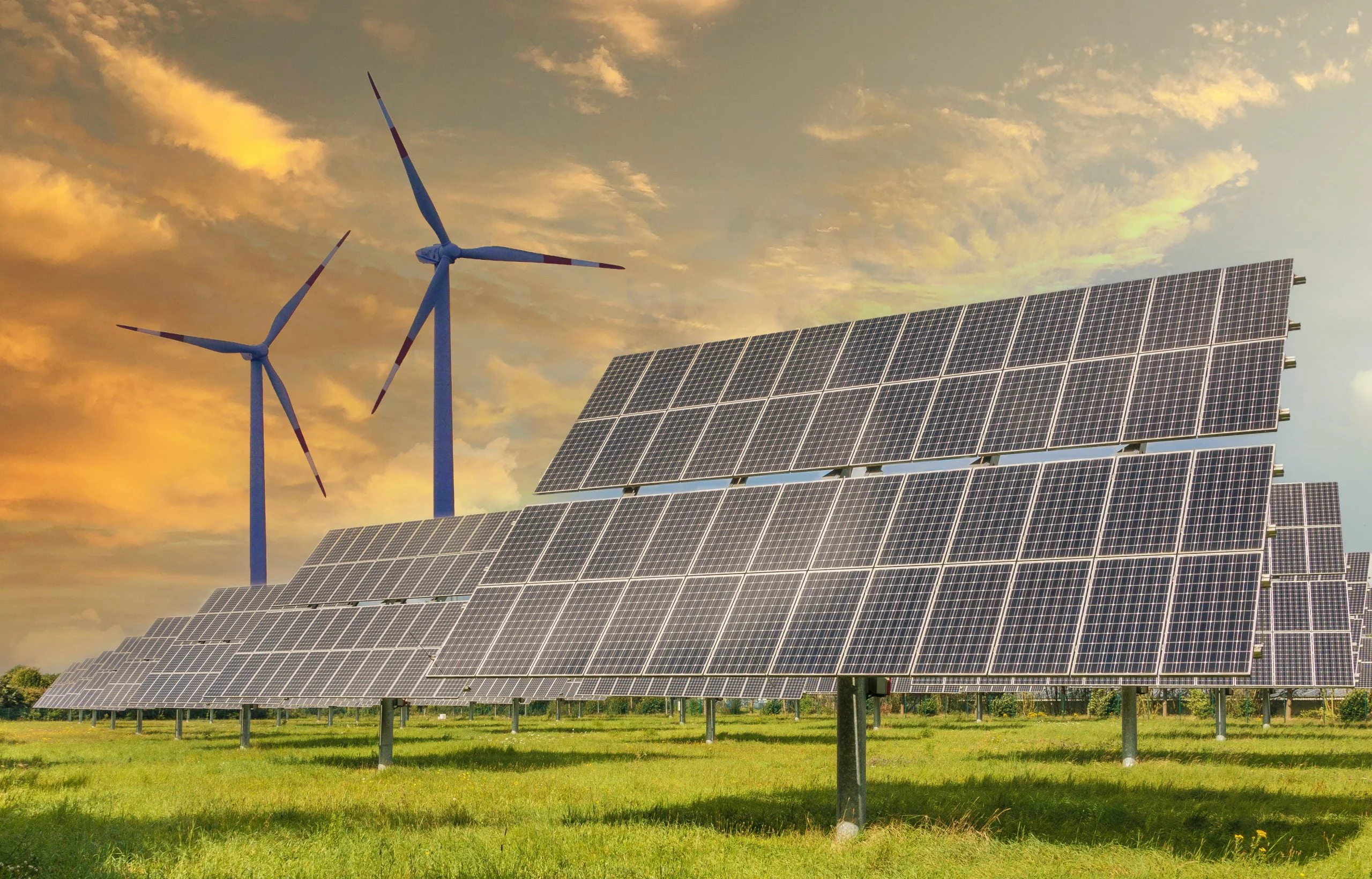
According to the latest report released by Crédito y Caución, in the medium term, the energy transition should represent a double relief for the finances of emerging energy-importing markets.
On the one hand, the energy transition will put downward pressure on oil and gas prices, which could help reduce import bills. On the other hand, countries' own investments in renewable energy production will allow them to achieve energy self-sufficiency and gradually replace imported fossil fuels.
According to the report, this process towards self-sufficiency is already underway: the import bill for fossil fuels has decreased from approximately 8,4% of Gross Domestic Product (GDP) in 2015 to 6,2% in 2021 in the 50 most energy-dependent emerging markets. Jordan and Morocco are two particularly successful examples: they have increased the share of renewables in their energy mix to 34% and 37%, respectively.
Reduce imbalances
This path towards energy self-sufficiency for emerging markets will reduce current account imbalances in their balance of payments, which is expected to lower country risk and offer investment and growth opportunities to these countries.
However, the report highlights that it will not completely eliminate pre-existing current account and budget deficits, nor will it solve the problems with external debt. Dependence on imports of basic products, such as food, and the increased demand for capital goods associated with ongoing transformation, such as solar panels and wind turbines, will continue to drive these deficits.
Within a decade, the public debt of many countries will continue to exceed the critical 70% threshold for emerging economies. Therefore, in parallel with energy self-sufficiency, it will be equally important to carry out broad structural reforms that reduce the financial vulnerabilities and macroeconomic imbalances of emerging countries, in a context where the decline of fossil fuels will follow a volatile trajectory.