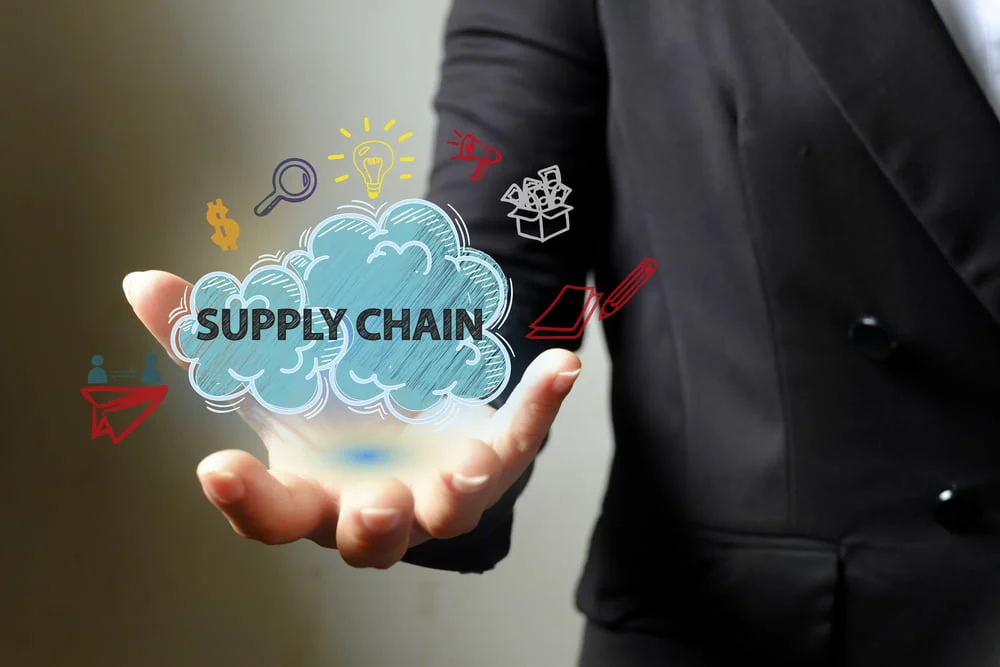
More than 80% of companies have seen their supply chains disrupted by the Covid-19 crisis. According to the latest study by the Capgemini Research Institute, the pandemic has forced companies to prioritize the resilience of their supply chain, with 66% stating that their strategy will have to change considerably in order to adapt to the new normal.
Titled “Fast forward: Rethinking supply chain resilience for a post-Covid-19 world”, the study also reveals that only 14% of companies foresee resuming their usual operating model. In fact, 68% of companies indicate that the crisis forced them to adapt their business models.
Difficulties
Throughout this year, companies have struggled to respond quickly to increased disruptions and restore stability to their operations. Most respondents faced challenges such as shortages of key materials or components (74%), shipping delays and shorter delivery times (74%), difficulties adjusting production capacity to meet fluctuating demand (69%), and planning in a context of consumer volatility (68%).
From a sectoral perspective, only 30% of companies in the life sciences sector state that their business has been harmed by the crisis, compared to 80% in other sectors, such as distribution or consumer products, where, in addition, 68% of consumers prefer to buy locally produced goods and 79% believe that sustainability influences their purchasing decisions.
imperatives
Alongside the difficulties, the pandemic has brought imperatives for companies to structure a more resilient, flexible, and agile supply chain, capable of dealing with future global disruptions and crises.
The study reveals that 55% took between three and six months to recover from disruptions in their supply chain, this one did not, and that 13% will still take between six months and a year. As such, to safeguard the future, 57% plan to increase investment in improving the resilience of their supply chain, 47% are accelerating their investment in automation, and 39% in robotics.
Furthermore, 77% are aware of the need to make changes and confirm that they are accelerating their investments in sustainability, with logistics and production emerging as priority segments. This shift was driven not only by the crisis, but also by the fact that companies are increasingly aware of the changing preferences of consumers, who favor ecological alternatives and are willing to demonstrate this in their purchasing decisions.